
Practical use of Smrekovit
How can you find the right content for your problem?
The same pain or change can have several different causes, so the location of the problem alone does not tell you which approach makes sense. On this page, you can first choose the area and then the specific problem that most closely matches your situation.
First understand the problem
On each page, we first explain the most common causes, typical symptoms and warning signs for which further medical assessment may be advisable.
Then the practical approach
Only then do we explain how we approach such a problem in practice at Smrekovit and which specific considerations should be taken into account when using the products.
Choose the area of concern
Start with the area where the problem occurs. Within each area, you will find content on the most common problems, their possible causes, warning signs and Smrekovit’s practical approach.
Joints and muscles
Osteoarthritis, knee pain and other problems involving the joints, muscles and surrounding soft tissues.
Injuries and overuse
Sprains, blows, strains, heel spurs and other problems related to injuries or repetitive loading.
Spine and pain of nerve origin
Sciatica, lower back pain and problems in which pain, tingling or other sensations spread along the course of the nerves.
Skin, wounds and nails
Open wounds, ingrown toenails, fungal infections and other changes affecting the skin and nails, where it is important first to understand the cause of the problem.
Oral cavity, throat and ENT
Problems with the gums, mouth ulcers, sore throat, cold sores on the lips and other problems of the oral cavity and upper respiratory tract.
Digestive system and internal problems
Stomach and intestinal problems and other areas where it is important to distinguish between different possible causes of symptoms.
Use in animals
Content on various problems in animals and on the practical approach to using Smrekovit products in a veterinary setting.
Interested in specific monitored cases? See documented real-world cases in which the course was followed over a longer period.
See documented cases ↓Joints and muscles
Pain in a joint or the surrounding area can have many different causes. The problem may originate from the joint itself, the muscles, tendons, ligaments or other soft tissues, so before choosing a practical approach it is advisable to first determine the most likely source of the problem.
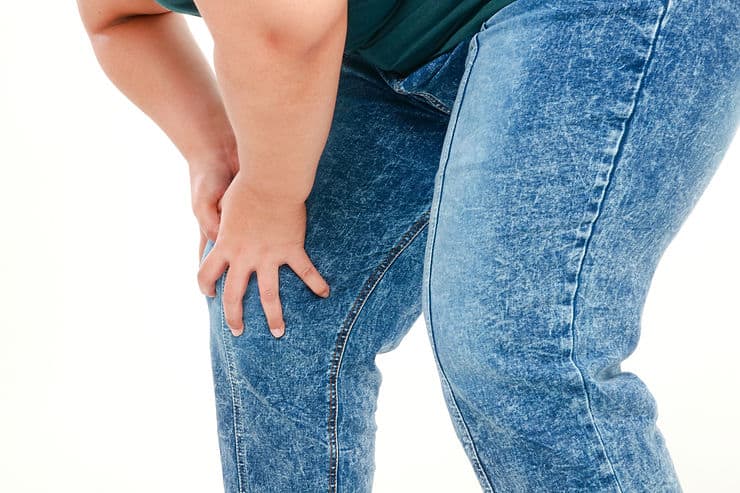
Knee pain: causes, what helps and when to seek medical assessment
Knee pain can have many different causes – from overuse or an injury to the meniscus, ligaments or tendons to osteoarthritis, inflammation or problems in other structures around the joint. When choosing the appropriate approach, it is therefore important first to determine where the pain is located, how it started and whether the problem comes from the joint itself or from the tissues around it.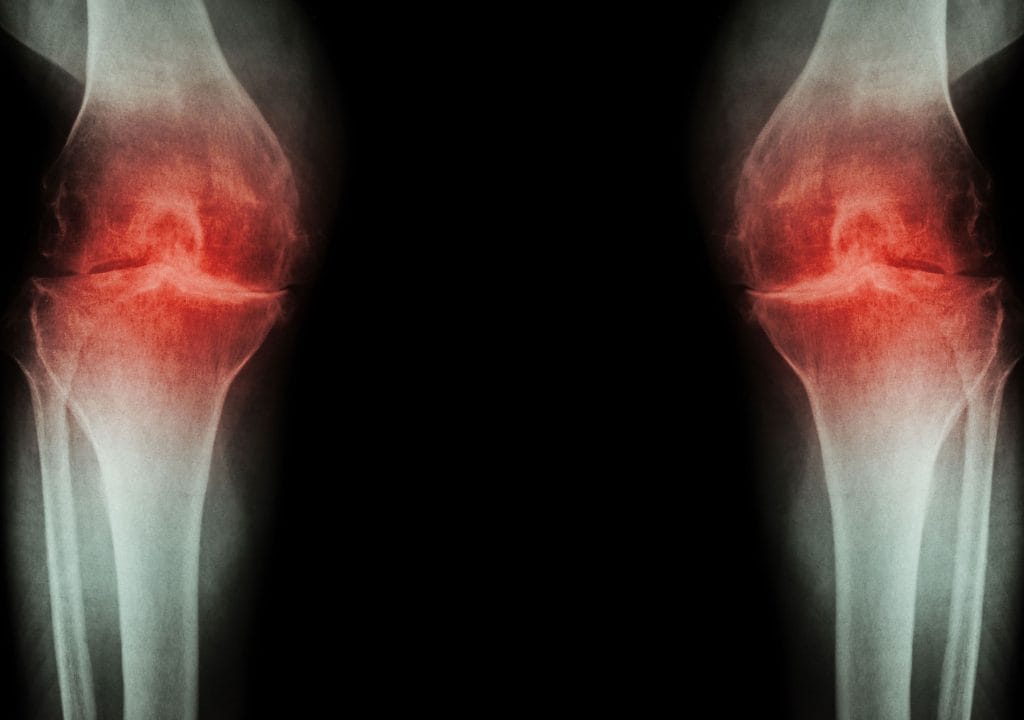
Osteoarthritis: symptoms, treatment and what helps
Osteoarthritis is a chronic joint disease in which the cartilage, bone and other joint tissues gradually change. It most commonly affects the knees, hips and hands and can cause pain, stiffness and reduced mobility. Learn what can help, how osteoarthritis is treated and what a finding such as joint space narrowing means.
Injuries and overuse
For recent injuries and problems caused by repetitive loading, it is important to distinguish between mild overuse, a sprain, strain, blow or another soft-tissue injury. The individual pages describe the most common causes, typical symptoms, warning signs and the practical approach.
Ankle sprain: symptoms, recovery and what helps
An ankle sprain is one of the most common injuries of the ankle joint. Find out how to recognize it, how milder and more severe ligament injuries differ, how long recovery usually takes and when medical assessment is needed.Swelling – why it occurs, what helps and when it goes away
Swelling occurs due to the accumulation of fluid in the tissues and, after a blow, sprain or other injury, is often part of the body’s normal response. More important than the swelling itself is understanding its cause, as it can also result from inflammation, impaired venous or lymphatic drainage and other health problems. With milder injuries, it usually begins to gradually subside, while sudden, rapidly increasing…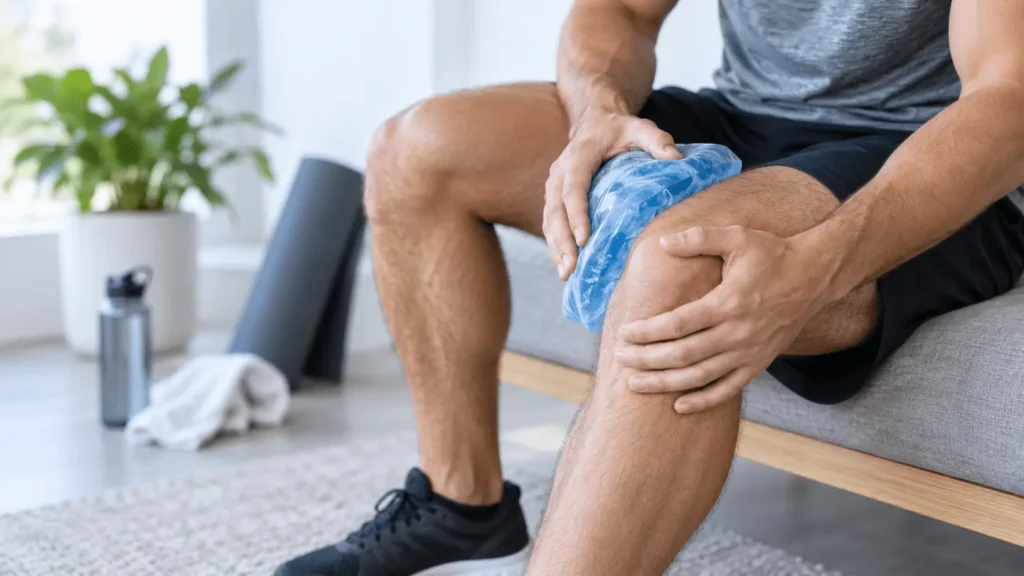
Cooling with ice after an injury: what research shows and why we do not recommend it with Smrekovit
Cooling with ice is often used after injuries to reduce pain and swelling, but its effect on healing is less clear. See what the research shows and why we generally do not recommend cooling when using Smrekovit.
Heel spur: causes, symptoms and what helps
A heel spur is a bony growth on the heel bone, but the growth itself is not necessarily the cause of pain. Pain in this area is often most noticeable during the first steps in the morning or after a longer period of rest and may also be associated with overuse of the plantar fascia and other tissues around the heel. Below, you will learn how to recognise the typical pattern of symptoms,…
Spine and nerve pain
Pain originating from the spine or nerve irritation can present in very different ways. In addition to lower back pain, there may also be tingling, numbness or pain spreading into the buttock, leg or other parts of the body. It is therefore important first to distinguish between a local muscular problem and symptoms of nerve origin.
Skin, wounds and nails
Changes affecting the skin, wounds and nails can have very different causes – from mechanical injury and local irritation to infections, impaired healing or other disease processes. It is therefore important first to identify the type of problem and the warning signs indicating that home care is not sufficient.
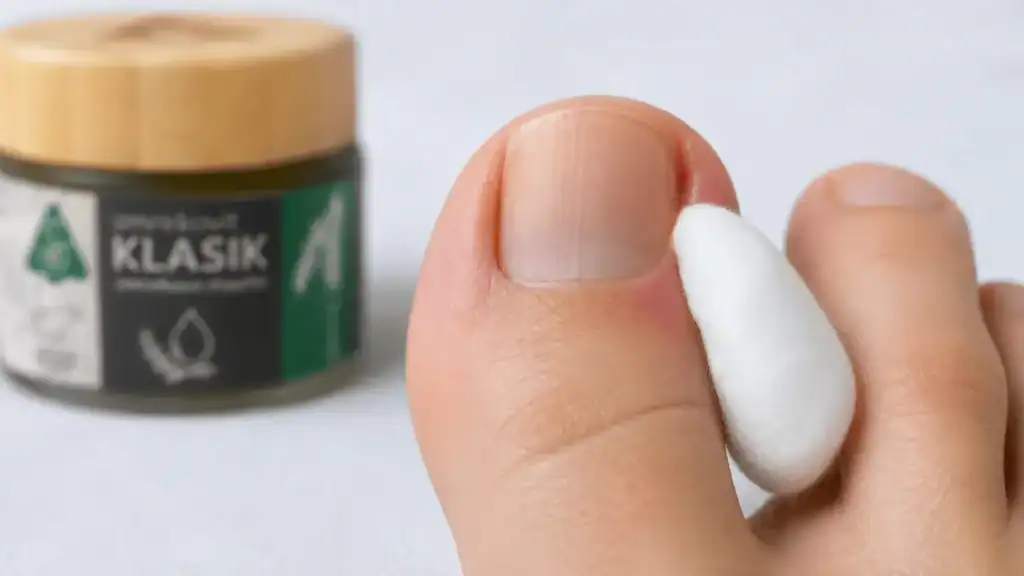
Ingrown toenail: why it develops, what helps and when treatment is needed
An ingrown toenail can cause pain, redness, swelling and even pus. We explain why it develops, what you can do at home, how we approach it at Smrekovit and when it is advisable to see a doctor.
Candida – symptoms, tests and when it is true candidiasis
Candida is a yeast that can normally be present in the mouth, digestive tract, on the skin and genitals without causing any problems. A problem arises only when actual candidiasis develops – a local or, more rarely, invasive infection. Much more questionable are explanations that attribute fatigue, bloating, “brain fog” and many other non-specific symptoms to Candida without…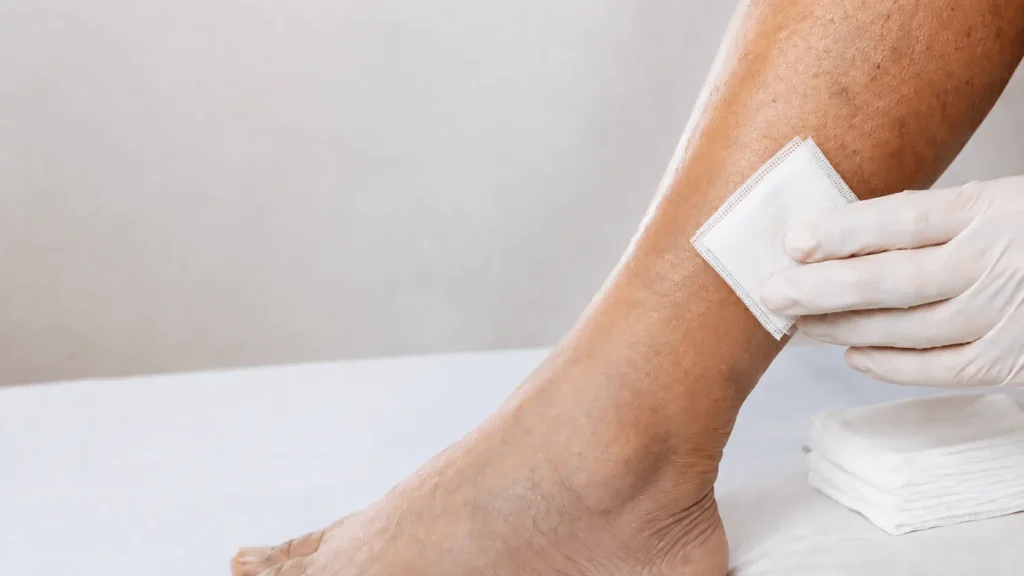
Open wound on the leg: healing process
An open wound on the leg may heal slowly because of impaired circulation, swelling, diabetes and other factors. Learn what affects wound healing and when medical assessment is needed.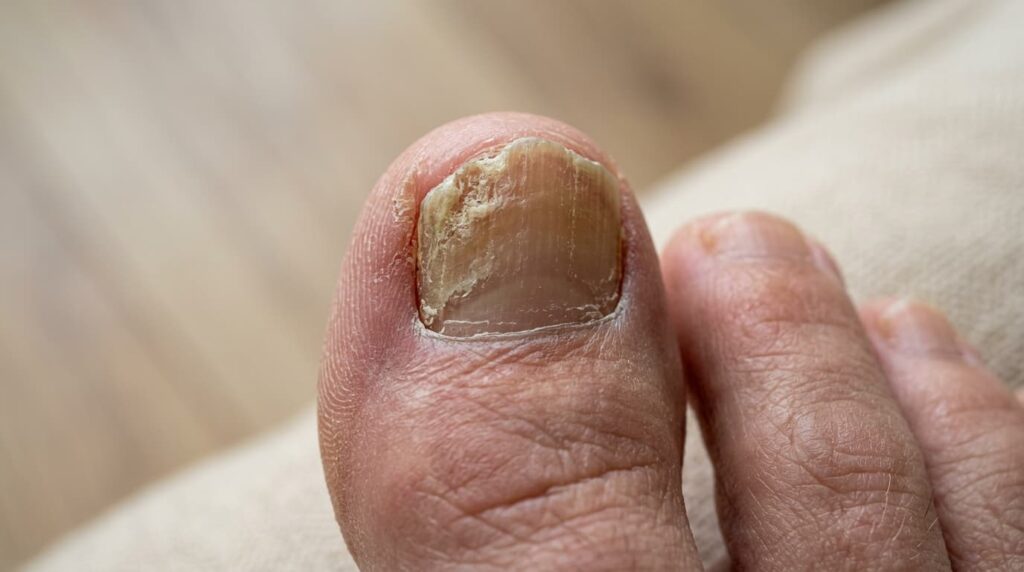
Fungal nail infection: how to recognise it and what helps
Fungal nail infections often begin with a change in colour, thickening or crumbling of the nail, but not every nail change is caused by a fungal infection. Learn about the typical signs, treatment options and how to monitor progress, as improvement usually becomes visible only as a new, healthy part of the nail grows out.
Oral cavity, throat and ENT
Problems in the oral cavity, lips, throat and upper respiratory tract can have very different causes – from local irritation and inflammation to viral or other infections. It is therefore important first to recognize the characteristics of the problem and the warning signs that require further medical assessment.
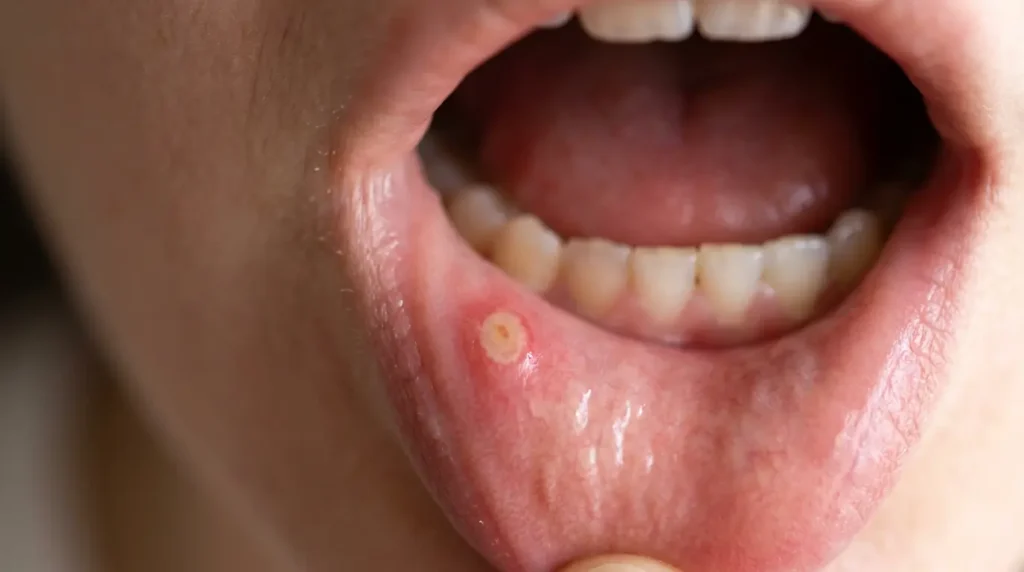
Mouth ulcers – what helps, why they occur and when to see a doctor
Mouth ulcers are small, painful sores of the oral mucosa that most commonly appear on the inside of the lips and cheeks, beside the tongue or underneath it. They are not contagious, and most minor mouth ulcers heal on their own within one to two weeks. A few simple measures can help reduce irritation and pain, while long-lasting, very large or frequently recurring ulcers may…
Gingivitis – what helps with bleeding and swollen gums
Gingivitis most commonly develops due to dental plaque along the gum line. The gums may bleed during brushing, become swollen or sensitive, while pain is not necessarily present. The most important measures are thorough cleaning of the teeth and interdental spaces and, if needed, professional removal of tartar; if the gums are receding, pus is present or teeth become loose, a dental examination is needed.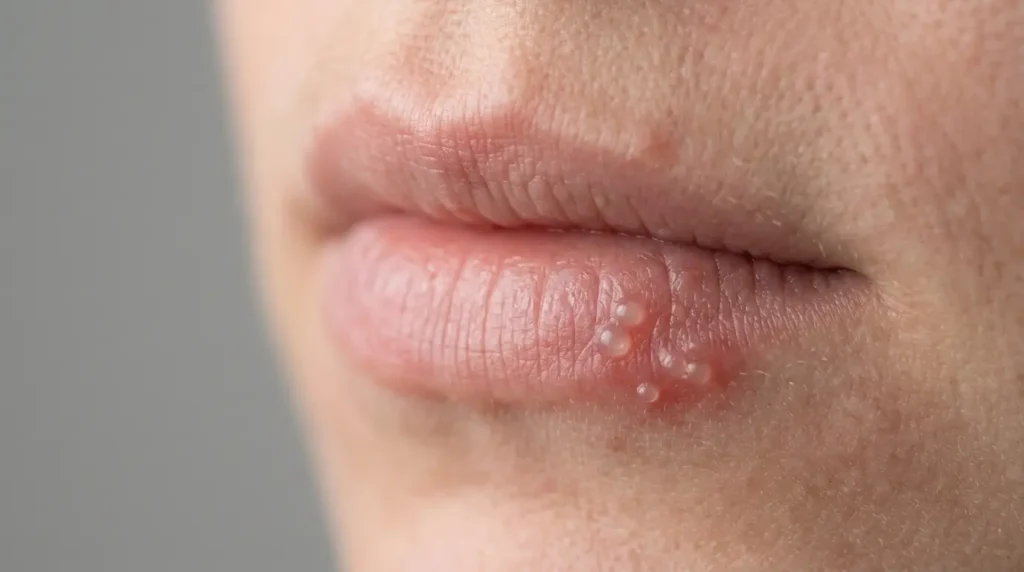
Cold sore on the lip – what helps, how it progresses and when it is contagious
A cold sore on the lip often begins with tingling, itching or a burning sensation, followed by small blisters and then a scab. It is most commonly caused by the HSV-1 virus, which remains in the body after infection and can become reactivated. Most recurrent outbreaks heal within about one to two weeks, but it is also important to know when a cold sore is contagious,…
Sore throat – what helps, causes and when to see a doctor
A sore throat most commonly accompanies a viral infection, but it can also be associated with a bacterial infection or irritation of the mucous membrane. Most acute symptoms improve within about a week. It is important to know what may help with pain and swallowing, and which signs mean that medical assessment is advisable.
Digestive system and internal problems
Pain and other abdominal problems can have very different causes – from temporary digestive disturbances to conditions that require further medical assessment. It is therefore important first to assess the characteristics of the symptoms, how long they have been present and any warning signs.

Stomach pain: causes, what helps and when to see a doctor
Stomach pain is often felt in the upper abdomen or in the pit of the stomach. It may be burning, dull, cramping or related to food, and the cause is not always the stomach itself. Find out about the most common causes, warning signs and what may be appropriate to do for milder symptoms.
Abdominal pain: where it hurts, possible causes and what helps
Abdominal pain can have many possible causes – from temporary digestive problems to conditions that require prompt medical assessment. When looking for the cause, the most important factors are the location of the pain, its nature and duration, and any accompanying symptoms. For mild and short-lived problems, simple measures may help, while sudden or very severe pain requires timely…
Use in animals
For animals, the method of use always depends on the type of problem, the application site and the animal itself. It is advisable first to distinguish between superficial skin problems and wounds, soft-tissue injuries, and conditions that require veterinary assessment.
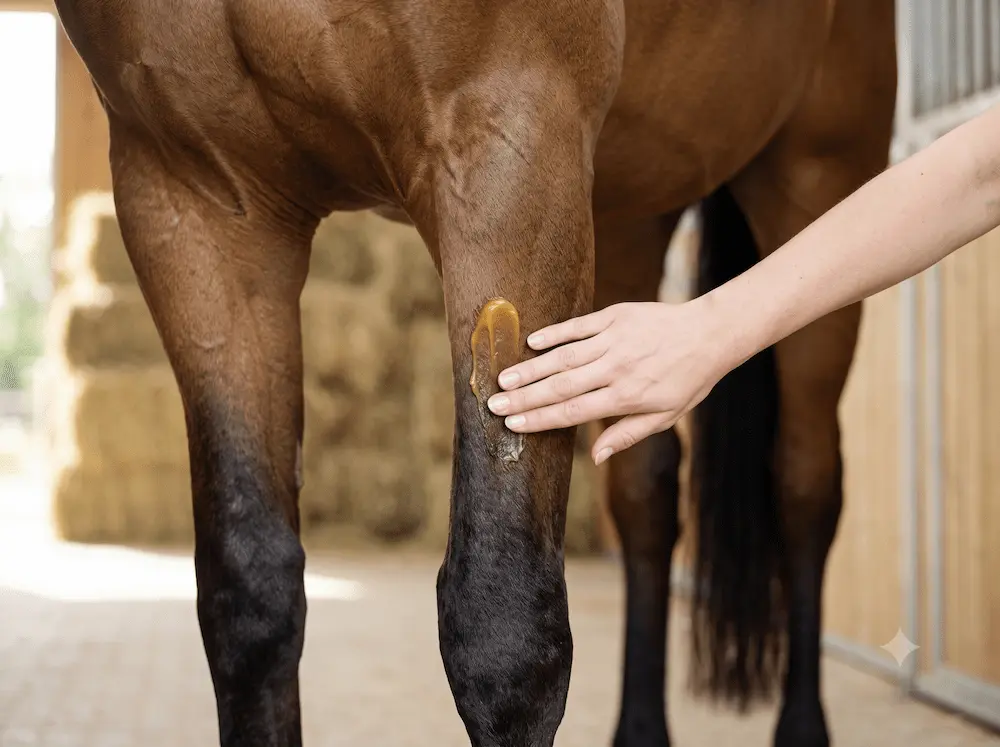
Documented cases from practice
In addition to general content on individual problems, we also publish documented cases in which the course was followed over a longer period. These are individual real-world cases, so their results cannot be directly generalized to other users.
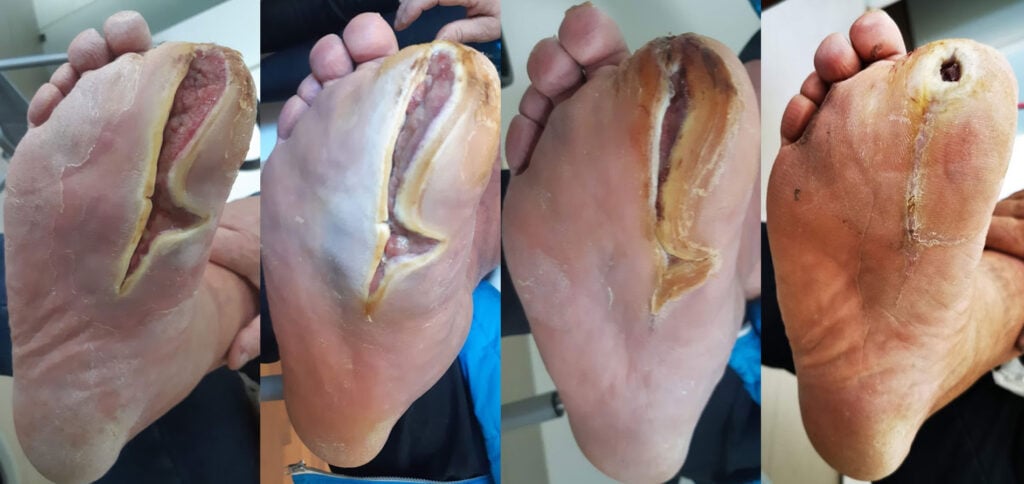 Documented case
Chronic diabetic foot wound – documented case
In a man with diabetes, an open wound on the right foot persisted for several months following repeated necrectomies. During 155 days of documented use of Smrekovit Klasik, the measured open wound area decreased from 16.47 cm² to 1.16 cm², or by approximately 93%. Complete wound closure was not documented.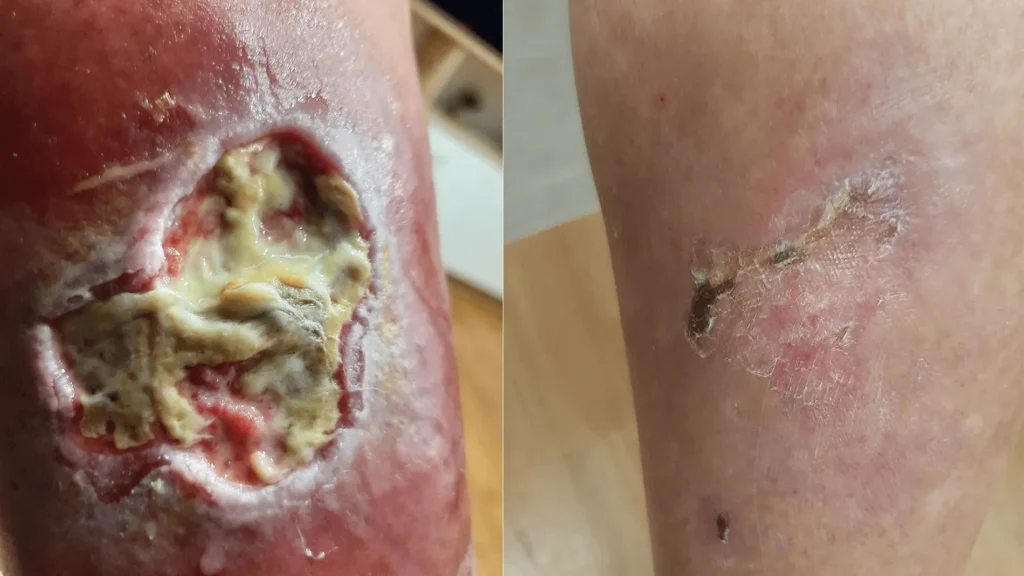 Documented case
Chronic calf wound in diabetes – documented case
In a man with type 2 diabetes, a wound on the back of the lower leg persisted for several months after an injury caused by boot rubbing. A series of 20 original photographs documents the condition before the start of using Smrekovit Klasik and the gradual closure of the wound over the following weeks.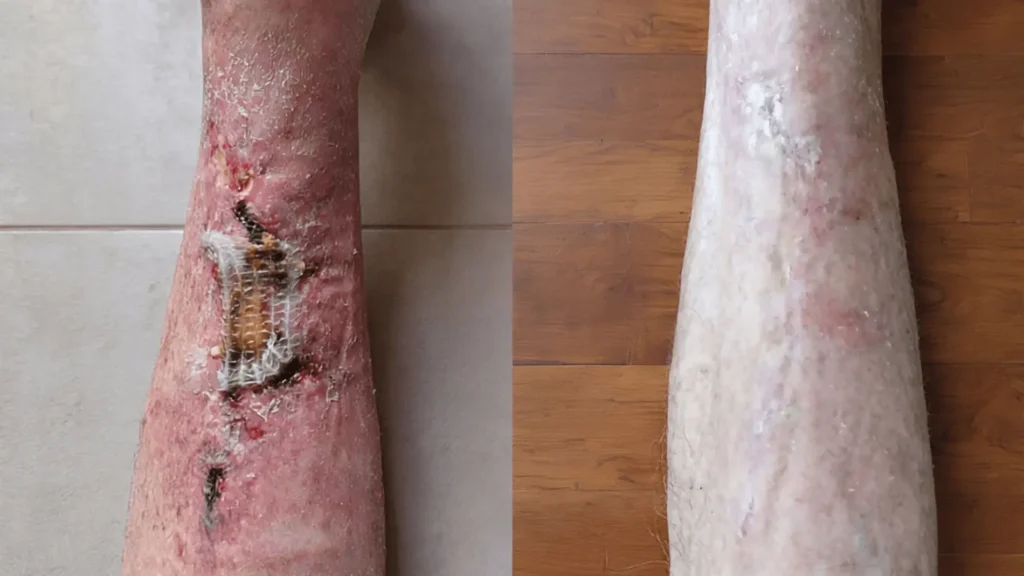 Documented case
Venous leg ulcer in a 92-year-old patient – documented healing course
In a 92-year-old patient with confirmed heart failure, treatment with Marevan and borderline elevated blood sugar, a chronic lower leg ulcer was monitored. According to the family, it had been open for about a month and a half before the start of using Smrekovit Klasik. The case shows a photographically documented course from the initial condition in March 2026 to almost complete wound closure at the end of September 2026. It is… Documented case
Foal without a suckling reflex and with severe joint problems – a practical case
According to the breeder, the foal did not have a normal suckling reflex after birth and did not adequately ingest colostrum during the first hours. Severe joint swelling, pain and marked difficulty getting up later developed. Alongside veterinary care and intensive supportive treatment, the breeder also used Smrekovit Ekstra for several months, and the foal survived to approximately nine months of age,…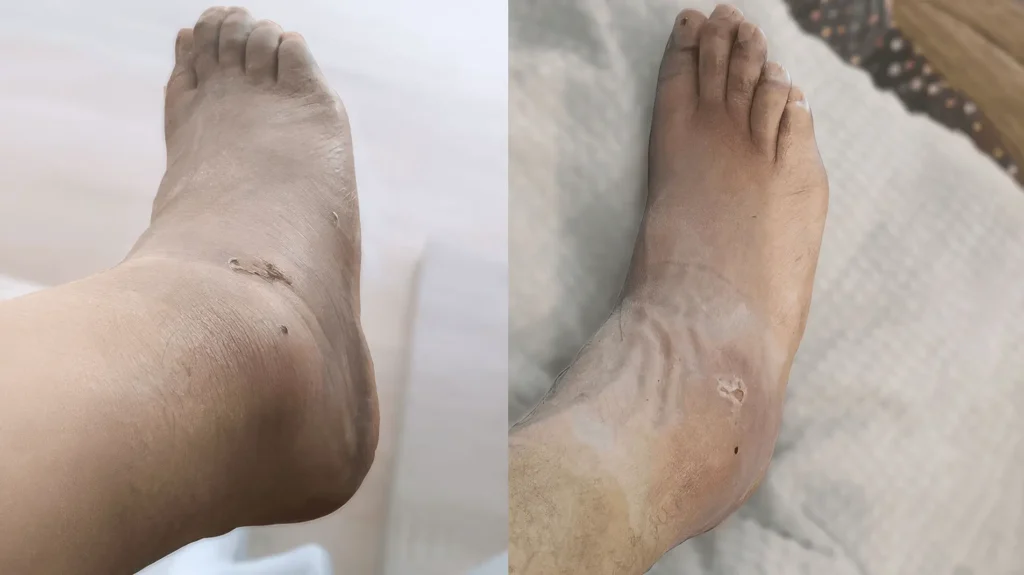 Documented case
Ankle dislocation without fracture: documented course of recovery
Documented case of a 77-year-old patient with venous and heart failure whose open lower leg wound was monitored after injury using serial photographs and measurements. During 19 days of documented use of Smrekovit Klasik, the estimated open wound area decreased from 25.08 cm² to 0 cm².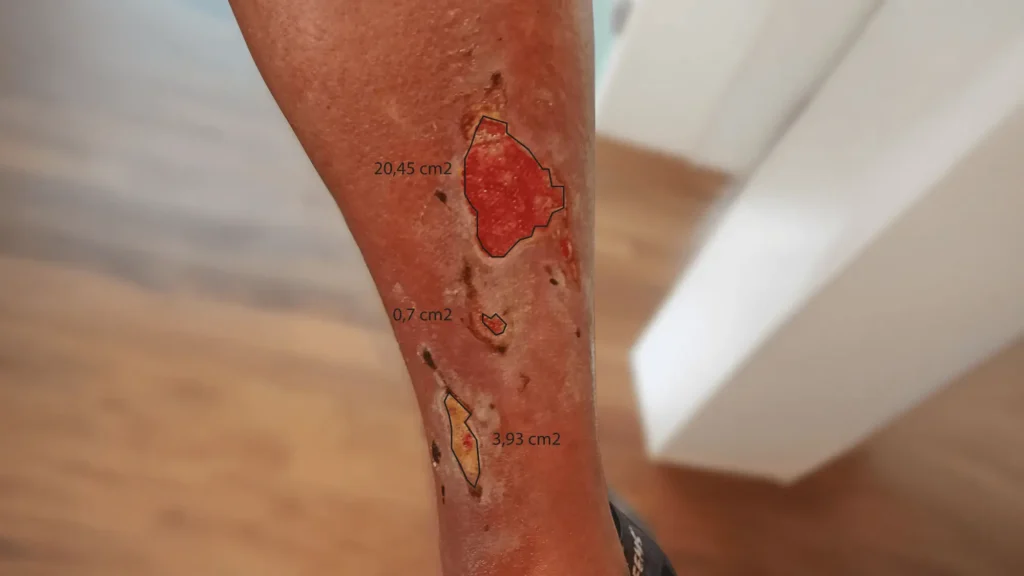 Documented case
Post-traumatic lower leg wound with venous and heart failure: documented case
Documented case of a 77-year-old patient with venous and heart failure whose open lower leg wound was monitored after injury using serial photographs and measurements. During 19 days of documented use of Smrekovit Klasik, the estimated open wound area decreased from 25.08 cm² to 0 cm².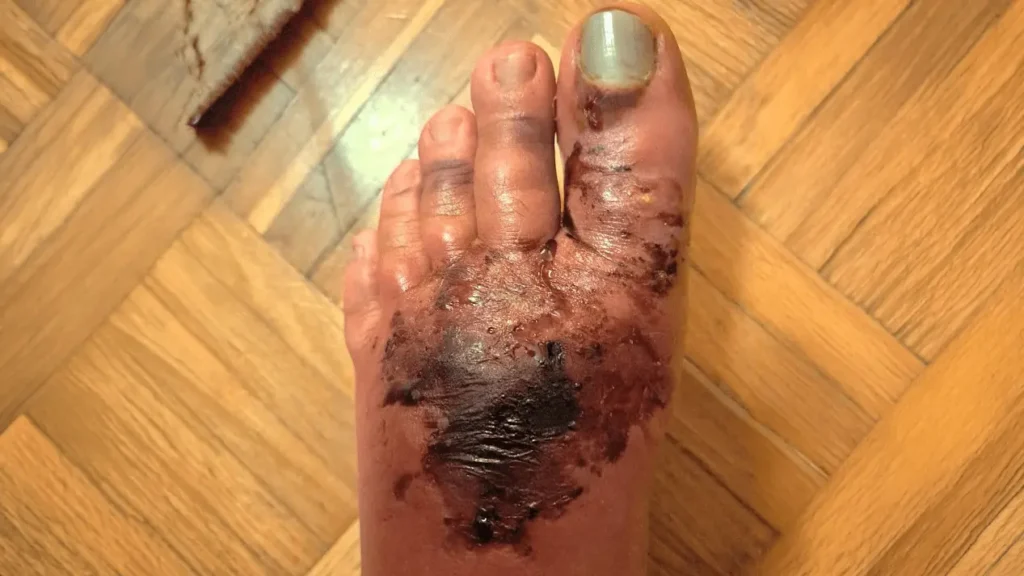 Documented case
Extensive necrotic wound of the foot: documented course of the case
Documented case of an extensive post-traumatic necrotic wound of the left foot, monitored from the injury in February 2026 until wound closure and later follow-up. The case includes medical documentation, a photographic course, and time-documented monitoring of the use of Smrekovit Klasik as part of the overall wound care.
How do we approach choosing the right problem category?
When using Smrekovit, it is not only important where it hurts or where a change has appeared. A similar symptom can have several different causes, so it is advisable first to consider which tissue or area the problem most likely originates from and whether there are signs that require further medical assessment.
- Does the problem originate from a joint, muscle, tendon, ligament or nerve?
- Did the problem arise suddenly or has it been developing over a longer period?
- Is the pain local or does it spread elsewhere?
- Are swelling, a wound, a change in colour, tingling or reduced strength present?
- Is the condition gradually improving or getting worse despite the passage of time?
For this reason, on our problem-specific pages we first explain the possible causes and warning signs, and only then present Smrekovit’s practical approach to each type of problem.
Frequently asked questions about using Smrekovit in practice
If you are not sure which content best matches your problem, the questions below can help you find your way.
How do I find the right content for my problem?
Start with the area where the problem occurs, then choose the article that best matches your symptoms or circumstances. On the problem-specific pages, we first explain possible causes and warning signs, and then Smrekovit’s practical approach.
What if I do not know what is causing the pain?
The location of pain is not always the same as the location of its source. Pain may originate from a joint, muscle, tendon, ligament, nerve or another tissue. If the cause is not clear, it is advisable first to read the relevant problem-specific content and pay attention to accompanying symptoms.
Why are specific instructions separate from descriptions of problems?
Because the method of use differs depending on the type of problem. Before following specific instructions, it is therefore important to understand what kind of problem is involved, what is typical for it and when further medical assessment is needed.
What are documented cases?
These are individual real-world cases in which the course was monitored and documented over a certain period. Such cases show a specific course, but their results cannot be directly generalized to other users.
What if my problem does not match any of those listed?
Choose the area that is closest to it, or start with the symptom that bothers you most. If the problem cannot be reasonably classified or the condition is getting worse, further medical assessment is appropriate.
When should I see a doctor first?
Medical assessment should take priority especially in cases of severe or rapidly developing symptoms, a major injury, obvious deformity, marked deterioration, disturbances of sensation or strength, breathing difficulties, significant bleeding or other signs that may indicate a more serious condition.