
Natural resins: spruce resin, pine resin and boswellia resin
Resins are natural materials that plants release as part of their defence system. At Smrekovit, we focus on three resins that are most important for our work and understanding of resin materials: spruce resin, pine resin and boswellia resin.
Which resins does Smrekovit focus on?
This page focuses on three resins that are most important for Smrekovit: spruce resin, pine resin and boswellia resin. They are not the same, although they are often described with the same general word – resin.
They differ in botanical origin, composition, traditional use and in what modern research can currently tell us about them.
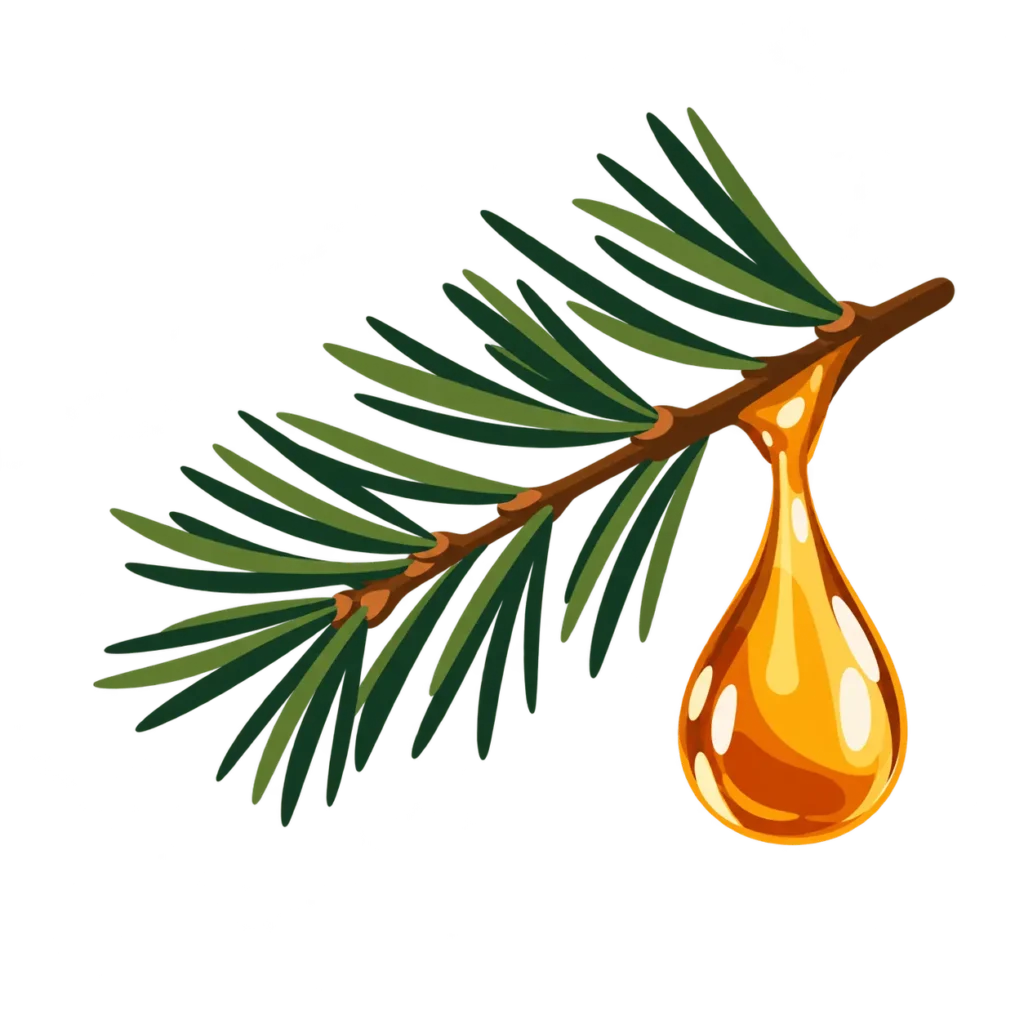
Spruce resin
Spruce resin is Smrekovit’s central raw material and the most important part of our resin knowledge. It is connected with local tradition, resin collection in nature, the preparation of spruce resin ointment and modern research.
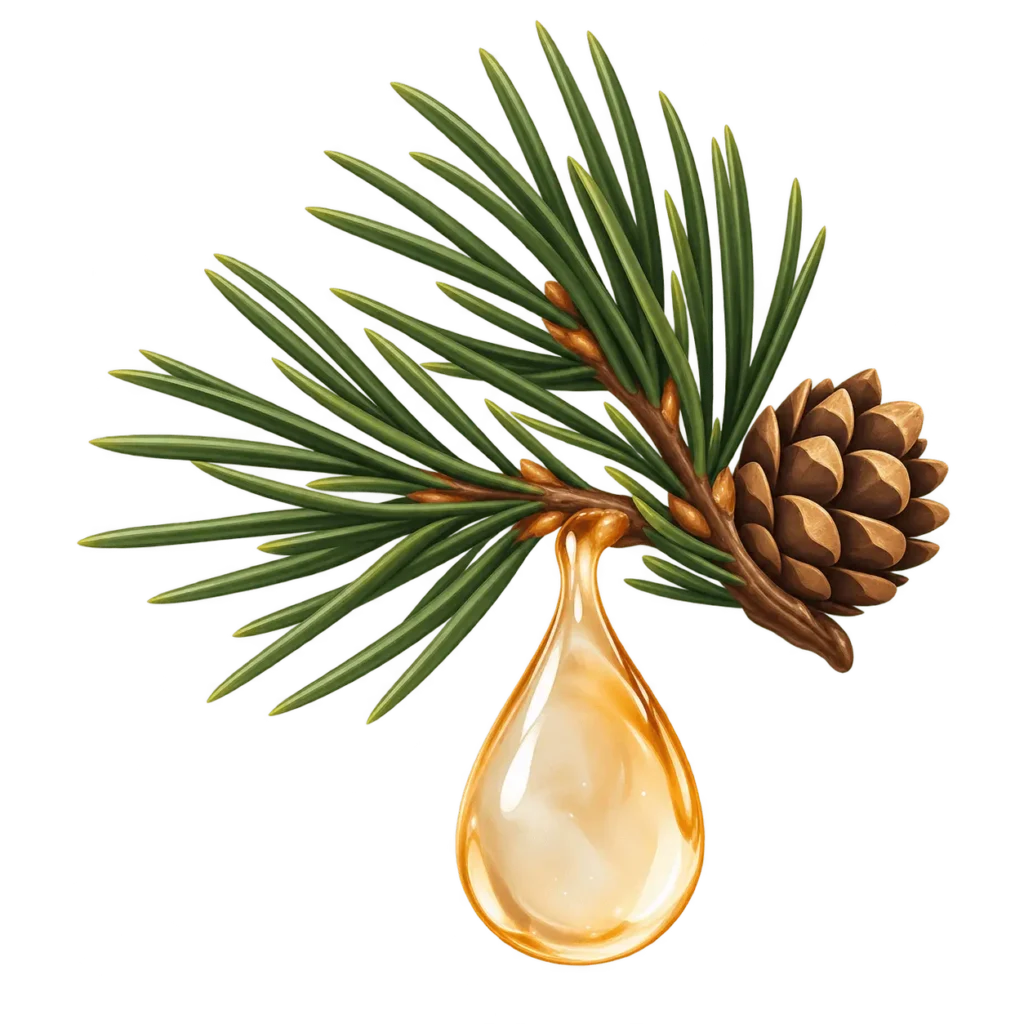
Pine resin
Pine resin is a related conifer resin, but it is not the same as spruce resin. It is important for understanding the difference between fresh resin, volatile compounds and the non-volatile fraction rich in resin acids.
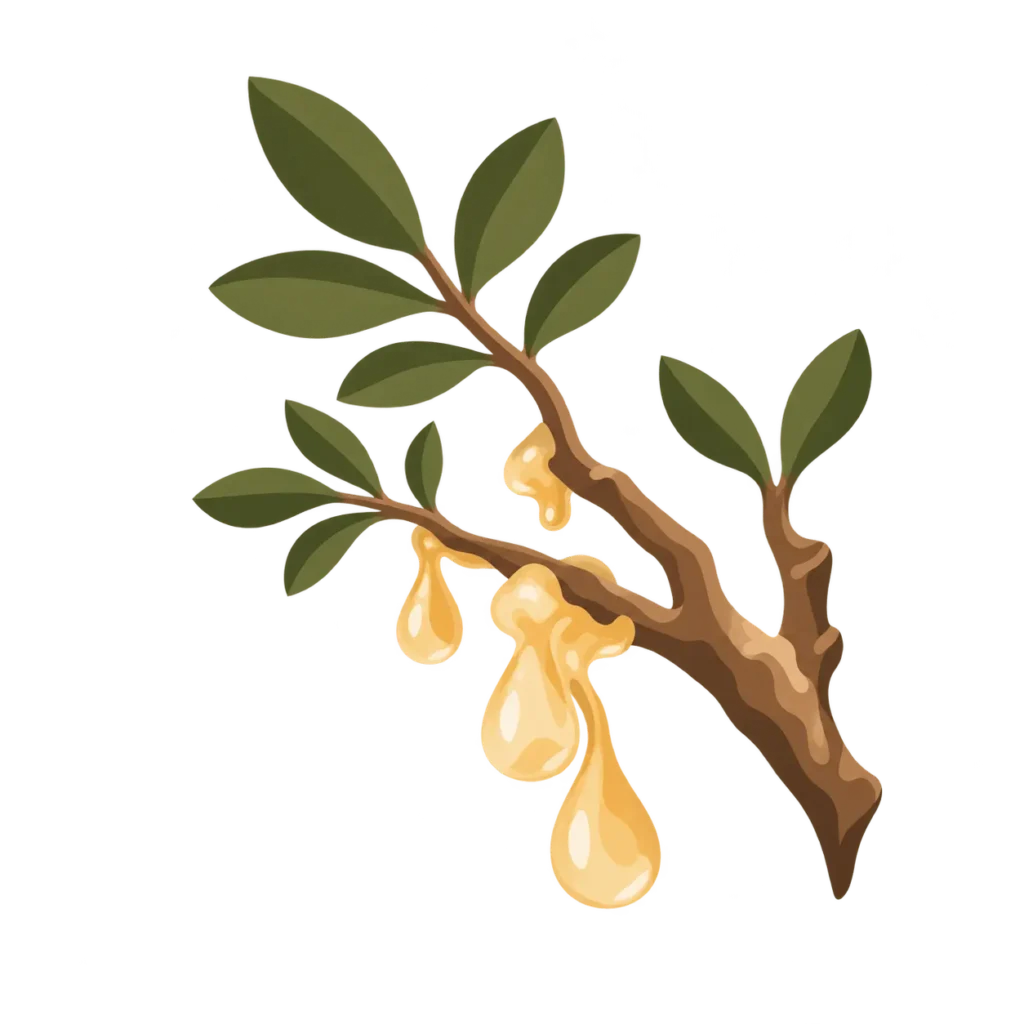
Boswellia resin
Boswellia resin comes from trees of the genus Boswellia. It differs from conifer resins in both botanical origin and composition, so it needs to be considered separately, especially when discussing boswellic acids and extract research.
Spruce resin, pine resin and boswellia resin are not the same
The word resin can describe very different natural materials. Spruce resin and pine resin are conifer resins, while boswellia resin comes from trees of the genus Boswellia. For that reason, they should not be treated as the same, even when they are described with the same general word.
| Aspect | Spruce resin | Pine resin | Boswellia resin |
|---|---|---|---|
| Origin | Spruce trees, mainly the genus Picea | Pine trees, mainly the genus Pinus | Trees of the genus Boswellia |
| Group | Conifer resin | Conifer resin | Aromatic tree resin |
| Main focus | Tradition, collection, preparation of spruce resin ointment and research | The difference between fresh resin, volatile compounds and the non-volatile fraction of resin | Boswellic acids, extracts and research on boswellia preparations |
| More | Spruce resin | Pine resin | Boswellia resin |
What do resins have in common?
Resins are not a single substance, but complex natural mixtures. Plants often release them as part of their defence system, for example after bark injury or other external influences.
Different groups of compounds can be present in resins. Some are more volatile and contribute to the characteristic smell, while others remain in the thicker, non-volatile part of the resin. These proportions vary according to the plant species, the age of the resin, the way it was formed and the changes that occur over time.
That is why two things matter when discussing resins: some resins do share certain features, but spruce resin, pine resin and boswellia resin should not be treated as interchangeable materials.
More about spruce resin
Spruce resin is the central resin in Smrekovit’s work, which is why it has its own group of detailed pages. They separately cover resin collection, traditional use, traditional preparation of spruce resin ointment and scientific research.
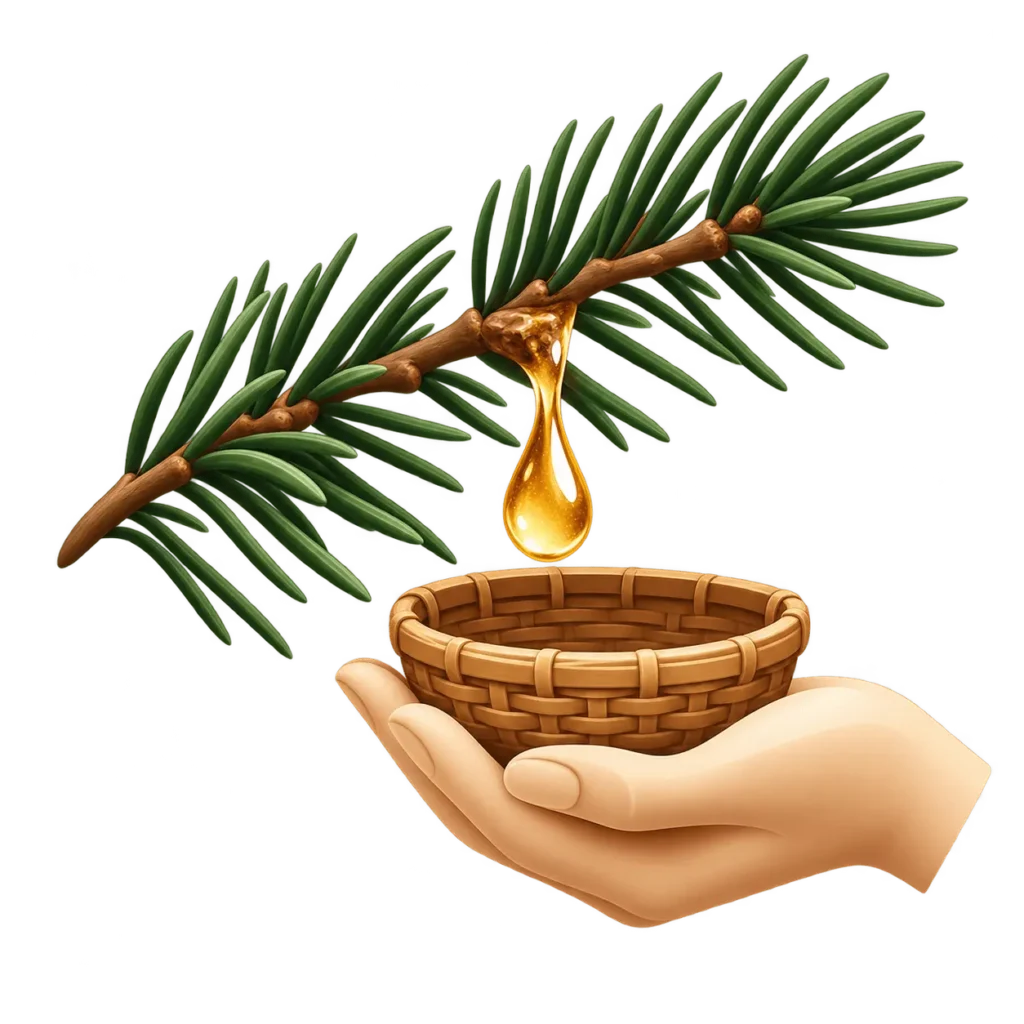
Collecting spruce resin
When spruce resin is collected, why the way it forms matters and why Smrekovit focuses on non-destructive collection of resin that has already been released by the tree.
Traditional use of spruce resin
An overview of folk tradition, historical records and the ways spruce resin was used in domestic settings and everyday situations.
Traditional preparation of spruce resin ointment
How people prepared home remedies from spruce resin, why recipes differ and what traditional preparation can still help us understand today.
Scientific research on spruce resin
What has been studied in spruce resin, which research models were used, what can be concluded from these studies and what cannot be concluded from them.
Tradition, research and practical experience are not the same
Resins are often discussed through a combination of folk tradition, modern research and practical experience. All three can be useful, but they do not carry the same level of evidence. At Smrekovit, we therefore distinguish between what comes from tradition, what research shows and what is based on long-term practical work with resins.
- Tradition shows how people used and understood resins in everyday life.
- Research helps explain composition, individual compounds and possible mechanisms of action.
- Practical experience helps identify differences between raw materials, preparation and use in practice.
This distinction matters because traditional records should not be presented as clinical proof, and laboratory research should not be interpreted more broadly than its results allow.
Frequently asked questions about resins
What does the word resin mean?
Resin is a general term for different natural materials that plants release as part of their defence system. The word itself does not yet tell us which plant, composition or type of resin is being discussed.
Are spruce resin and pine resin the same?
No. Spruce resin and pine resin are related conifer resins, but they do not come from the same plant and should not be treated as the same material. They may share certain features, but there are also important differences.
Is boswellia resin the same as conifer resin?
No. Boswellia resin comes from trees of the genus Boswellia and differs from spruce resin and pine resin in both botanical origin and composition. It therefore needs to be considered separately.
Why does Smrekovit not cover every type of resin?
This page focuses on the resins that are most important for Smrekovit’s knowledge system: spruce resin, pine resin and boswellia resin. Its purpose is not to provide an encyclopaedic overview of all resins, but a clear guide through Smrekovit’s resin knowledge.
Is traditional use the same as scientific evidence?
No. Traditional use is a valuable source of knowledge about how people used resins in practice, but it is not the same as modern scientific evidence. That is why this page distinguishes between tradition, research and practical experience.
Where should I start if I am interested in spruce resin?
The best starting point is the page spruce resin. From there, you can continue to more detailed pages about collection, traditional use, preparation of spruce resin ointment and scientific research.