
Use in practice
Browse the topics:

Ankle sprain: symptoms, recovery and what helps
An ankle sprain is one of the most common injuries of the ankle joint. Find out how to recognize it, how milder and more severe ligament injuries differ, how long recovery usually takes and when medical assessment is needed.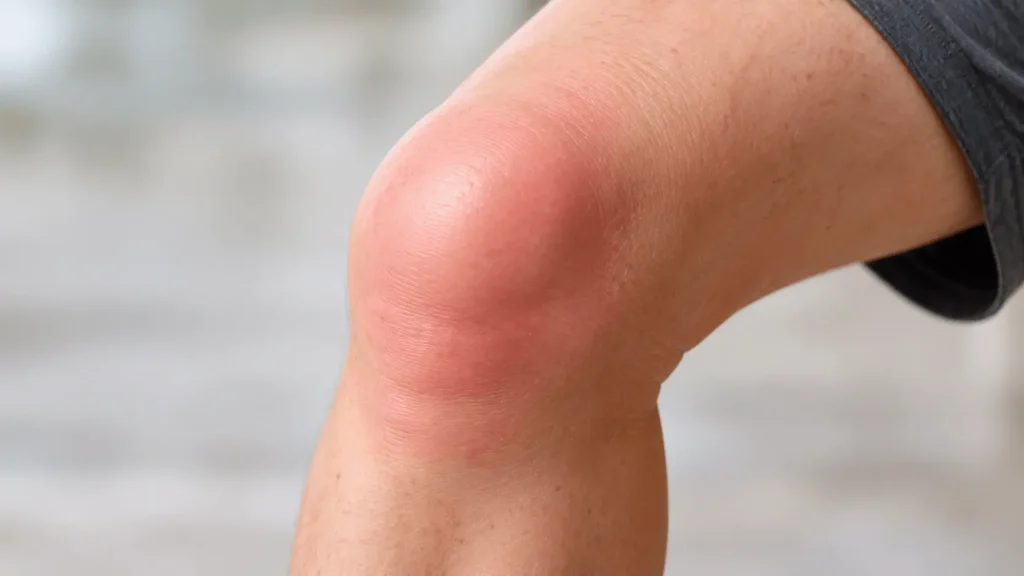
Swelling – why it occurs, what helps and when it goes away
Swelling occurs due to the accumulation of fluid in the tissues and, after a blow, sprain or other injury, is often part of the body’s normal response. More important than the swelling itself is understanding its cause, as it can also result from inflammation, impaired venous or lymphatic drainage and other health problems. With milder injuries, it usually begins to gradually subside, while sudden, rapidly increasing…
Cooling with ice after an injury: what research shows and why we do not recommend it with Smrekovit
Cooling with ice is often used after injuries to reduce pain and swelling, but its effect on healing is less clear. See what the research shows and why we generally do not recommend cooling when using Smrekovit.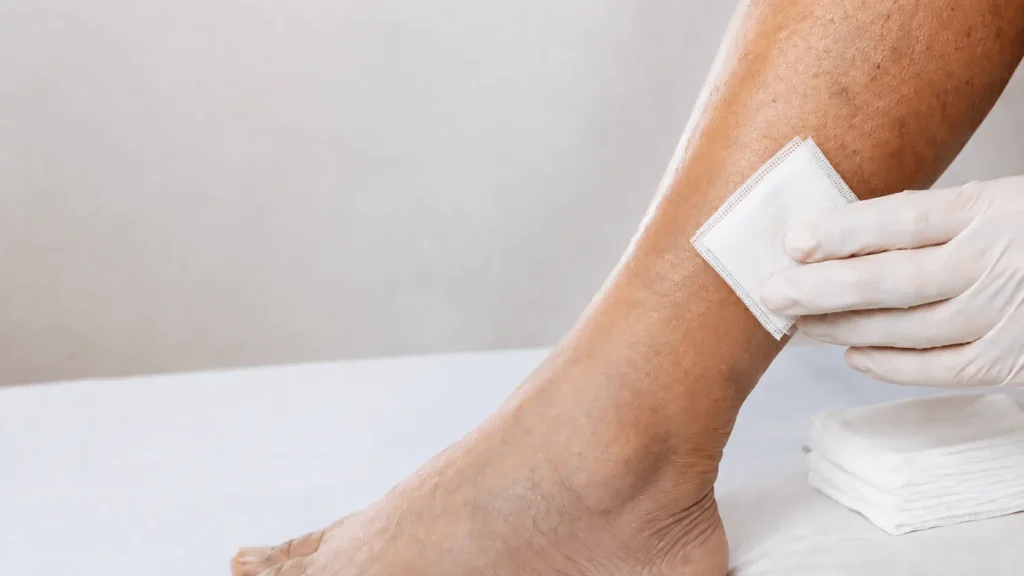
Open wound on the leg: healing process
An open wound on the leg may heal slowly because of impaired circulation, swelling, diabetes and other factors. Learn what affects wound healing and when medical assessment is needed.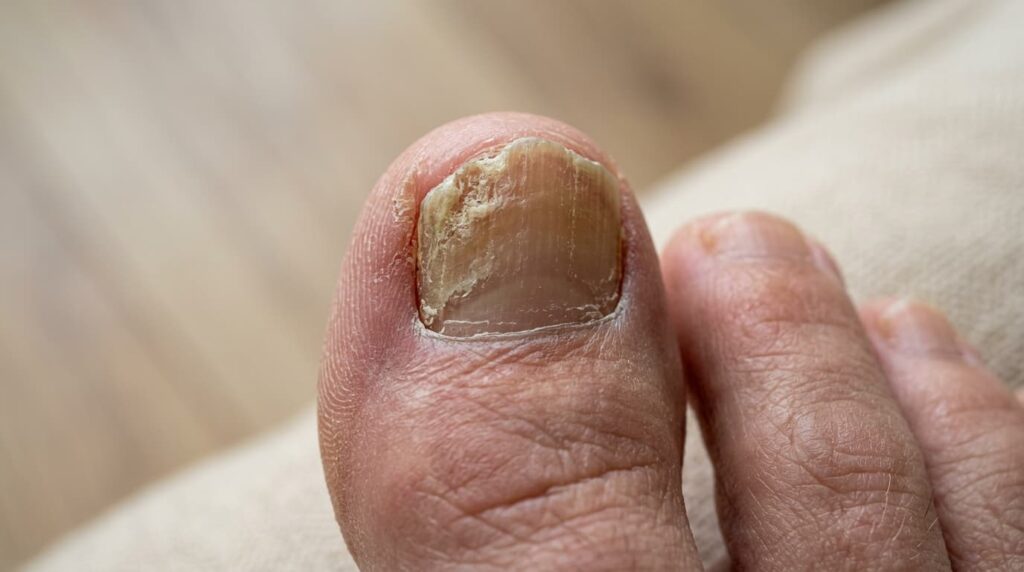
Fungal nail infection: how to recognise it and what helps
Fungal nail infections often begin with a change in colour, thickening or crumbling of the nail, but not every nail change is caused by a fungal infection. Learn about the typical signs, treatment options and how to monitor progress, as improvement usually becomes visible only as a new, healthy part of the nail grows out.
Heel spur: causes, symptoms and what helps
A heel spur is a bony growth on the heel bone, but the growth itself is not necessarily the cause of pain. Pain in this area is often most noticeable during the first steps in the morning or after a longer period of rest and may also be associated with overuse of the plantar fascia and other tissues around the heel. Below, you will learn how to recognise the typical pattern of symptoms,…
Sore throat – what helps, causes and when to see a doctor
A sore throat most commonly accompanies a viral infection, but it can also be associated with a bacterial infection or irritation of the mucous membrane. Most acute symptoms improve within about a week. It is important to know what may help with pain and swallowing, and which signs mean that medical assessment is advisable.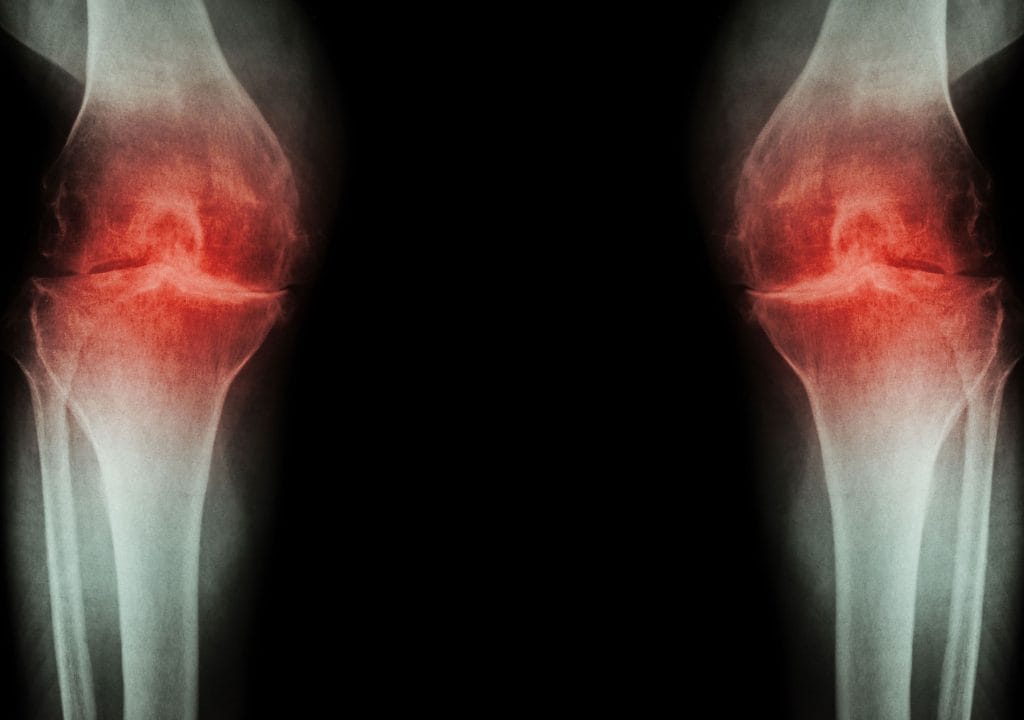
Osteoarthritis: symptoms, treatment and what helps
Osteoarthritis is a chronic joint disease in which the cartilage, bone and other joint tissues gradually change. It most commonly affects the knees, hips and hands and can cause pain, stiffness and reduced mobility. Learn what can help, how osteoarthritis is treated and what a finding such as joint space narrowing means.
Sciatica: symptoms, treatment and what helps
Sciatica causes pain, tingling or numbness that can spread from the buttock down the leg to the foot. It is most commonly associated with irritation of a nerve root in the lumbar spine. Learn how to recognise the typical pattern, what may help, how long symptoms usually last and when an examination is needed.
Abdominal pain: where it hurts, possible causes and what helps
Abdominal pain can have many possible causes – from temporary digestive problems to conditions that require prompt medical assessment. When looking for the cause, the most important factors are the location of the pain, its nature and duration, and any accompanying symptoms. For mild and short-lived problems, simple measures may help, while sudden or very severe pain requires timely…