
Use in practice
Browse the topics:

Stomach pain: causes, what helps and when to see a doctor
Stomach pain is often felt in the upper abdomen or in the pit of the stomach. It may be burning, dull, cramping or related to food, and the cause is not always the stomach itself. Find out about the most common causes, warning signs and what may be appropriate to do for milder symptoms.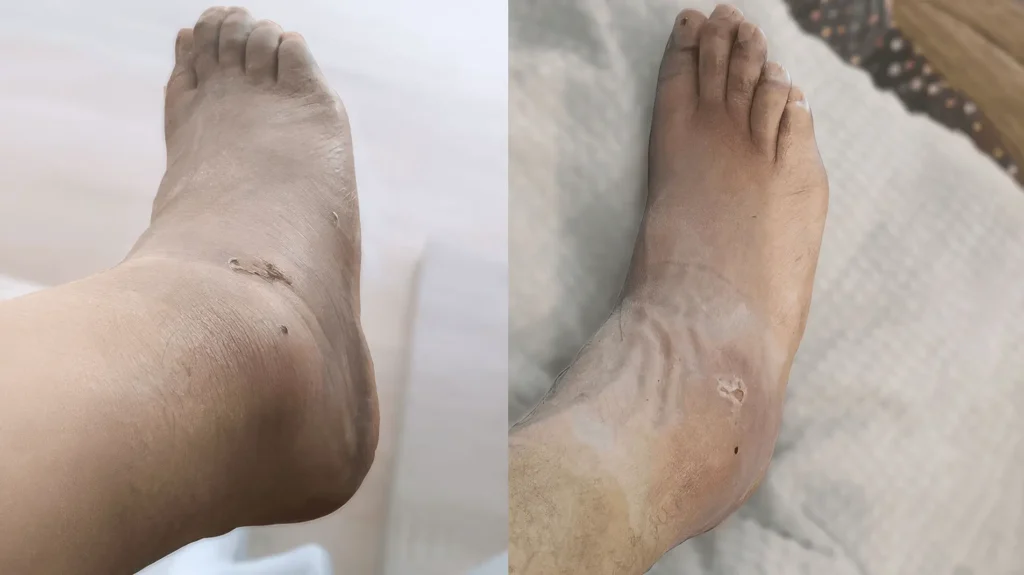
Ankle dislocation without fracture: documented course of recovery
Documented case of a 77-year-old patient with venous and heart failure whose open lower leg wound was monitored after injury using serial photographs and measurements. During 19 days of documented use of Smrekovit Klasik, the estimated open wound area decreased from 25.08 cm² to 0 cm².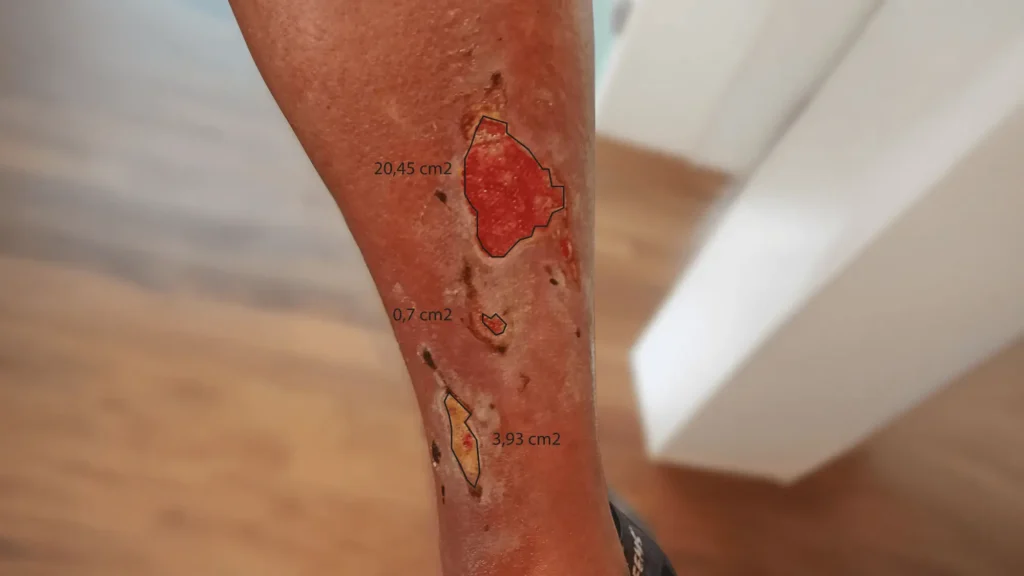
Post-traumatic lower leg wound with venous and heart failure: documented case
Documented case of a 77-year-old patient with venous and heart failure whose open lower leg wound was monitored after injury using serial photographs and measurements. During 19 days of documented use of Smrekovit Klasik, the estimated open wound area decreased from 25.08 cm² to 0 cm².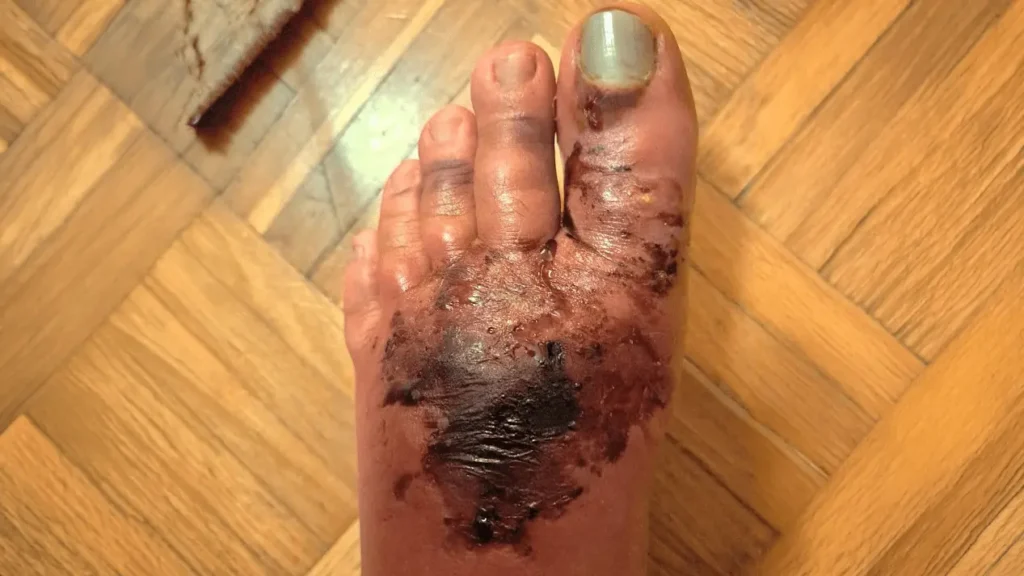
Extensive necrotic wound of the foot: documented course of the case
Documented case of an extensive post-traumatic necrotic wound of the left foot, monitored from the injury in February 2026 until wound closure and later follow-up. The case includes medical documentation, a photographic course, and time-documented monitoring of the use of Smrekovit Klasik as part of the overall wound care.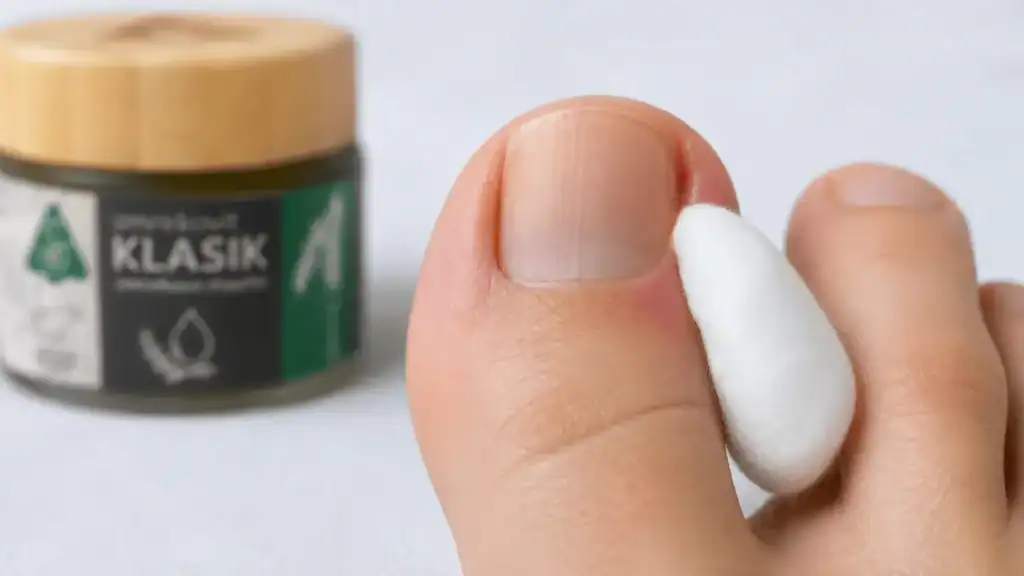
Ingrown toenail: why it develops, what helps and when treatment is needed
An ingrown toenail can cause pain, redness, swelling and even pus. We explain why it develops, what you can do at home, how we approach it at Smrekovit and when it is advisable to see a doctor.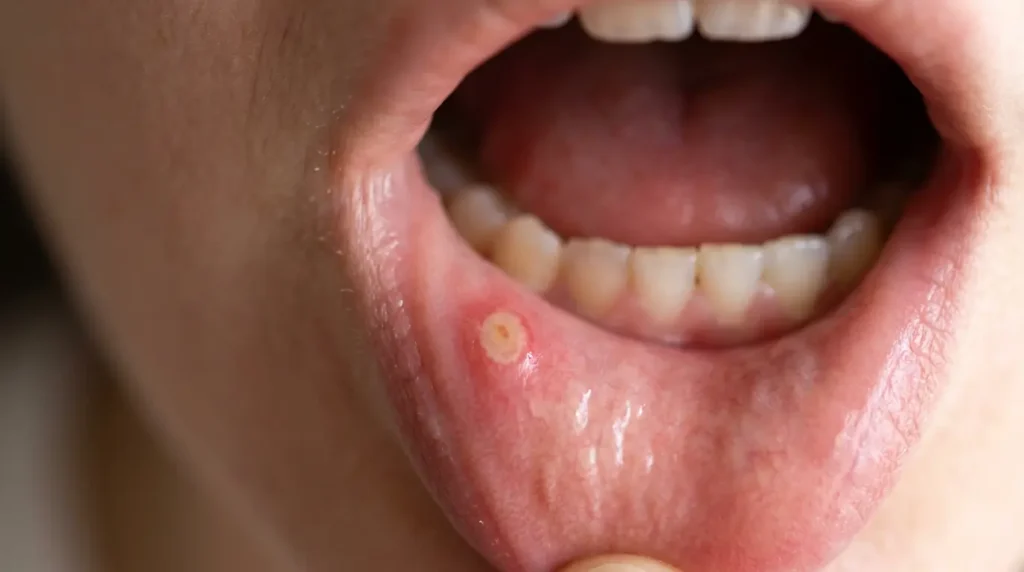
Mouth ulcers – what helps, why they occur and when to see a doctor
Mouth ulcers are small, painful sores of the oral mucosa that most commonly appear on the inside of the lips and cheeks, beside the tongue or underneath it. They are not contagious, and most minor mouth ulcers heal on their own within one to two weeks. A few simple measures can help reduce irritation and pain, while long-lasting, very large or frequently recurring ulcers may…
Gingivitis – what helps with bleeding and swollen gums
Gingivitis most commonly develops due to dental plaque along the gum line. The gums may bleed during brushing, become swollen or sensitive, while pain is not necessarily present. The most important measures are thorough cleaning of the teeth and interdental spaces and, if needed, professional removal of tartar; if the gums are receding, pus is present or teeth become loose, a dental examination is needed.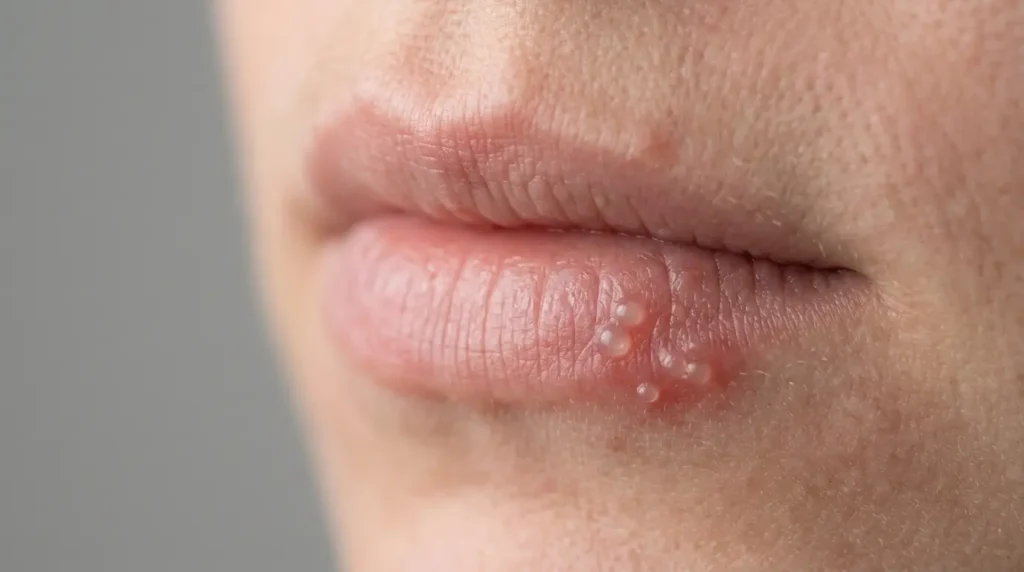
Cold sore on the lip – what helps, how it progresses and when it is contagious
A cold sore on the lip often begins with tingling, itching or a burning sensation, followed by small blisters and then a scab. It is most commonly caused by the HSV-1 virus, which remains in the body after infection and can become reactivated. Most recurrent outbreaks heal within about one to two weeks, but it is also important to know when a cold sore is contagious,…
Knee pain: causes, what helps and when to seek medical assessment
Knee pain can have many different causes – from overuse or an injury to the meniscus, ligaments or tendons to osteoarthritis, inflammation or problems in other structures around the joint. When choosing the appropriate approach, it is therefore important first to determine where the pain is located, how it started and whether the problem comes from the joint itself or from the tissues around it.
Candida – symptoms, tests and when it is true candidiasis
Candida is a yeast that can normally be present in the mouth, digestive tract, on the skin and genitals without causing any problems. A problem arises only when actual candidiasis develops – a local or, more rarely, invasive infection. Much more questionable are explanations that attribute fatigue, bloating, “brain fog” and many other non-specific symptoms to Candida without…