
Causes, signs, stress factors and user experiences with Smrekovit products
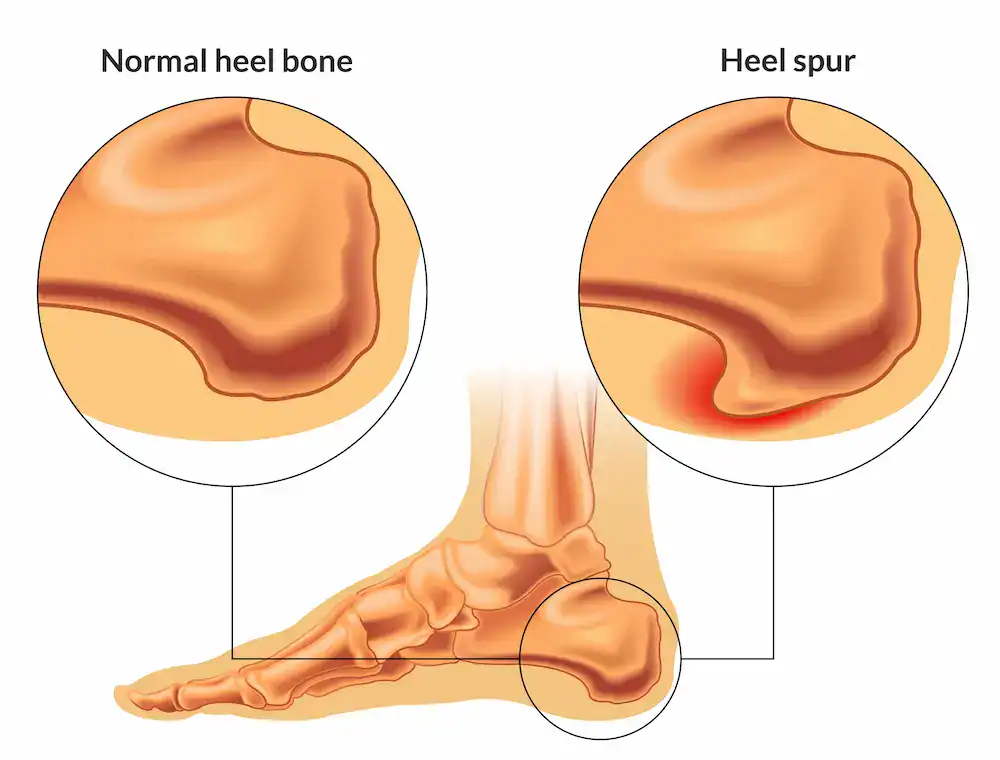
A heel spur is a common term for a bony growth (osteophyte)that develops on the heel bone, extending toward the arch of the foot. It can be pointed, hook-shaped, or flat , and may reach a length of more than one centimeter. Although often painless, it can sometimes cause intense discomfort. In the general population, heel spurs are found in about one in ten people , while only one in twenty experience heel pain because of them.
A few years ago I had unbearable pain in the heel (heel spur). A friend recommended Smrekovit. I rubbed it on my heel twice a day for a couple of weeks. The pain disappeared and has not reappeared. I also use Smrekovit for colds, herpes and insect stings.
Jožica Jarc, Bistrica ob Dravi
[15] handwritten feedback received on 4.9.2018, stored in the Smrekovit archive
When I had a sore throat , I used Smrekovit three times a day, and within two days the pain was gone. For my heel spur , I applied it twice a day and wrapped the area with cling film. After 14 days of use, the pain improved by about 90%.
Erna, Slovenske Konjice
[23] handwritten feedback received on 12.1.2015, stored in the Smrekovit archive
Signs that you may have a heel spur
According to various studies, 10–63% of heel spurs cause no symptoms at all , and people who have them often do not even know it until they are found incidentally. Not every heel pain is due to a spur — in about 45% of those with heel pain, no spur is present, meaning the discomfort has another cause.
The spur itself does not produce pain; it depends on its shape, size, and location. Pain arises from pressure on nearby nerves and inflammation of surrounding tissues. When this inflammation is resolved, the improvement can be long-lasting — in up to 97% of cases — even though the spur itself remains.
Pain
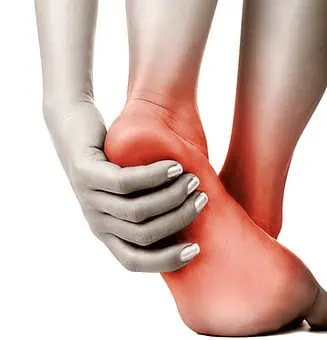
People often describe the pain as sharp and stabbing, similar to walking on the tip of a knife, which later turns into a dull ache. The pain is typically most intense in the morning or after prolonged rest. The first few steps can be extremely painful, after which the pain gradually subsides, though a lingering dull ache often remains throughout the day.
Stiffness
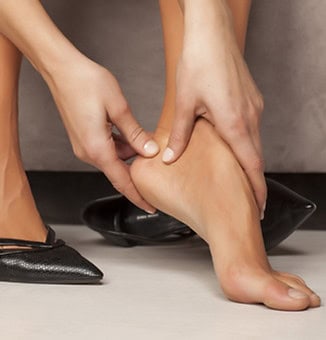
People with a heel spur often experience stiffness in the heel, ankle, and calf muscles, which usually improves after taking a few steps.
Tingling
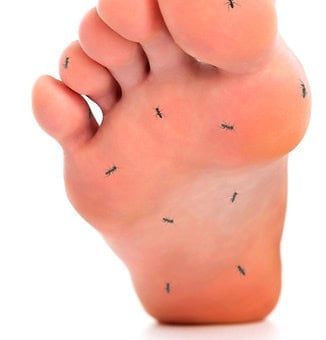
If the heel spur presses on a nerve, it may cause tingling sensations or numbness in parts of the sole.
I have been using Smrekovit products since your early production in 1990. I use them for everything — colds, burns, cuts, and sinus infections — I apply them to my nostrils and forehead. I also use them occasionally for hemorrhoids. At the moment, I’m applying them for lower back and leg pain sciatica and for heel pain caused by a spur . I can already feel an improvement.
Sonja, Makole
[68] handwritten feedback, received 4.2.2016, stored in the Smrekovit archive
Smrekovit products are used by several family members. We have tried it for the following problems: colds, varicose veins, tingling in the arm... But I would like to point out my problem, which is the most important. a heel spur. I have been using your products twice a day. I started to notice changes after a week of use and the pain completely disappeared after three weeks.
Frančiška, Dvor
[93] handwritten feedback received on an unknown date, kept in the Smrekovit archive
Causes of heel spur
Since heel spurs have also been documented in children, we can conclude that, in a minority of cases, they may represent a normal developmental variation of the heel bone. The exact causes of heel spur formation are still not fully understood, but two main theories appear in the literature:
Inflammation of the tendon of the arch of the foot
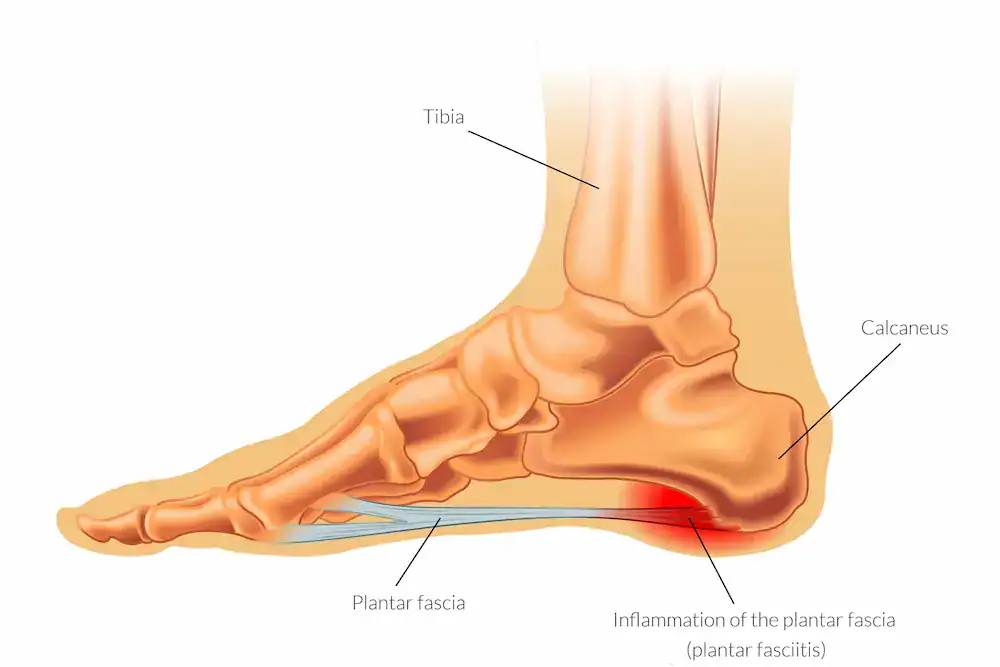
The most widespread theory, though now increasingly disputed, suggests that heel spurs develop as a result of repeated strain on the plantar fascia — the tendon-like structure supporting the foot’s arch — at its attachment to the heel bone. This repetitive tension is thought to cause chronic inflammation , eventually leading to bone formation. The tension on the fascia increases when the arch of the foot is loweredor when there is added pressure due to excess body weight. However, this theory is questioned because heel spurs do not form within the tendon itself, as would be expected with calcification caused by tendon or ligament strain, and because the condition often recurs in nearly half of cases after surgical removal. Moreover, studies show that in 10–63% of people with heel spurs, no pain is ever present.
Repetitive vertical load on the heel
Recent studies suggest that heel spurs may form as a response of the heel bone to repetitive, vertically directed stress. The heel bears most of the body’s weight, and bone tissue adapts dynamicallyto the direction and intensity of that force, as described by Wolff’s Law. Continuous vertical loading causes microscopic injuriesthat stimulate bone growth in the affected area.
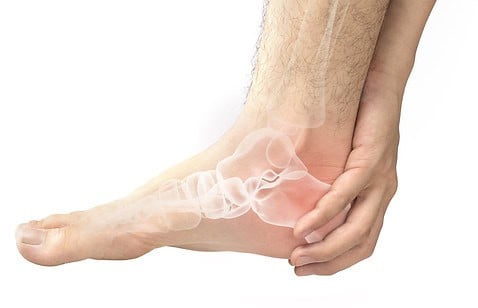
This is essentially a defensive response of the body. With ageing and excess weight, the soft tissue beneath the heel — the fat pad that normally cushions impacts — begins to degenerate. The body compensates for this loss by forming a bony spur to absorb some of the stress and protect the surrounding muscles and tissues.
Studies have shown that a single injury to the heel bone does not cause a heel spur, but if the injury is constantly renewed , however, due to thinning of the protective tissue and excess weight, spines can form, especially if other risk factors are also present, such as genetic factors (gait pattern, elasticity and thickness of fat pads, structure of the arch of the foot) and footwearthat we wear.
-

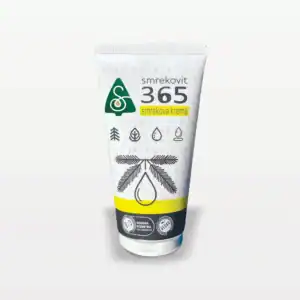
Smrekovit 365 spruce resin cream
14,00 € -
Smrekovit 365 Alter - cream with boswellia resin
Price range: 9,00 € through 14,00 € -
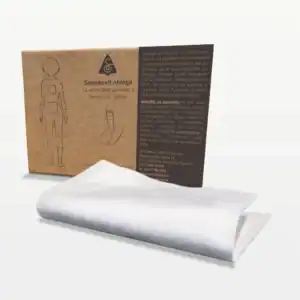
Smrekovit compress
3,00 €

Heel spur (that's what the doctor said). First it just started to sting, then the pain, then the swelling. I put on some ointment during the day, and at night I put on some gauze and put on a sock. This lasted for three days, and by the fourth day it was fine. This happens 1-2x a year but I always get rid of it immediately with Smrekovit.
Francka, Komel
[98] handwritten feedback received on an unknown date, kept in the Smrekovit archive
I had bursitis, an enlarged and painful lump in my ankle, softer to the touch. I used to apply ointment one to two times a day and sometimes a plaster. The lump disappeared within a week or two. When it recurred one day, I did the same and it disappeared again.
I also had a heel spur. Once I was walking on cold pavement and my heel hurt so much that I could hardly walk. I did the same as I wrote before and after about a week the pain was gone. I am still sensitive and am no longer allowed to walk barefoot on cold pressure.Marija, Dol pri Ljubljani
[127] handwritten feedback, received 31.1.2019, stored in the Smrekovit archive
Risk factors for a heel spur
- The likelihood of developing a heel spur increases with age . Some studies report that between 62% and 98% of people with heel spurs are over 40 years old . As we age, the way we walk also changes — strides become shorter and the foot stays in contact with the ground longer — which may contribute to spur formation.
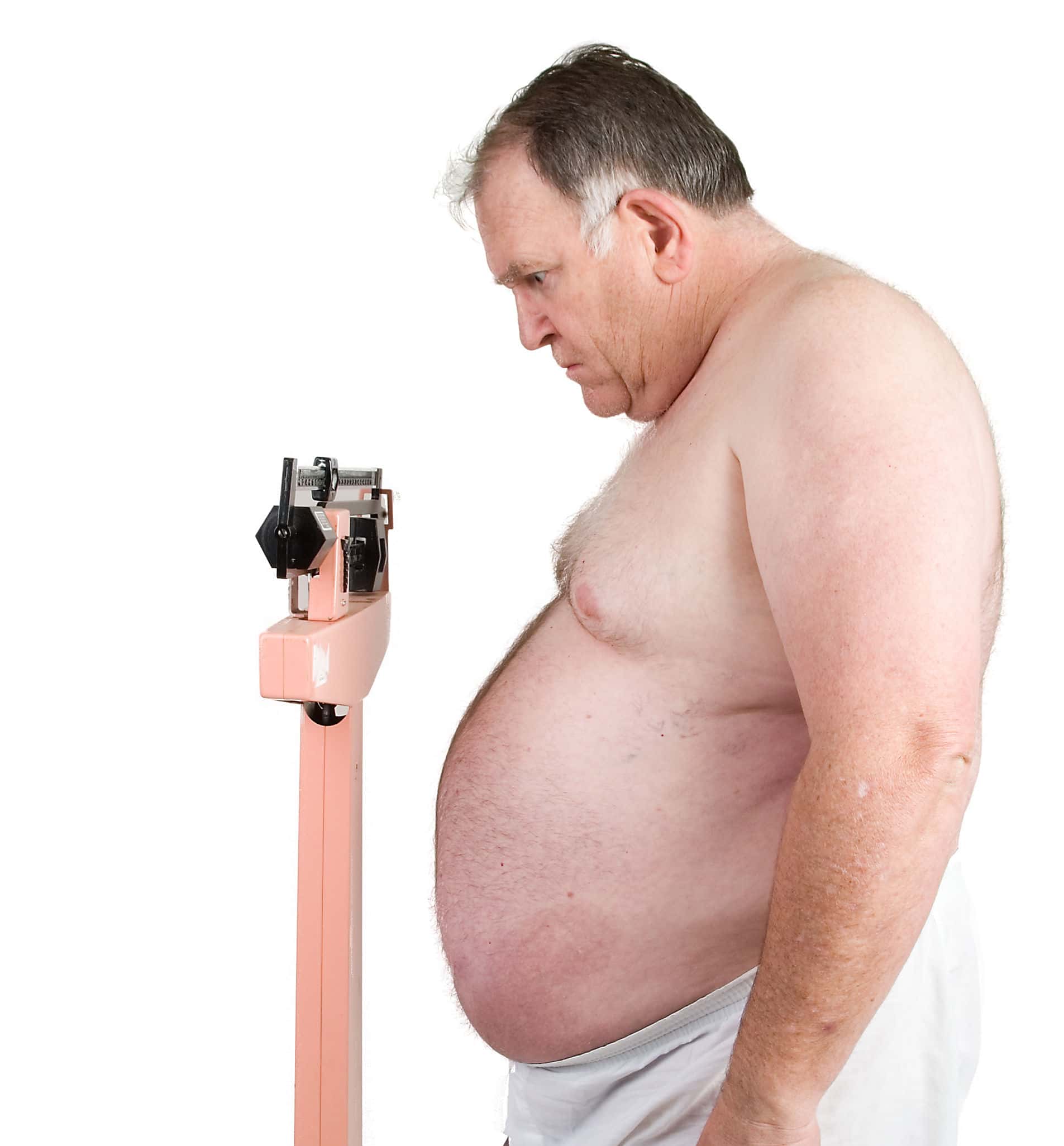
- Being overweight significantly increases the likelihood of developing a heel spur. Between 46% and 82% of those affected are overweight. Diabetes is also commonly associated with heel spurs, though it remains unclear whether it is an independent risk factor or simply linked through the higher prevalence of obesity among people with diabetes.
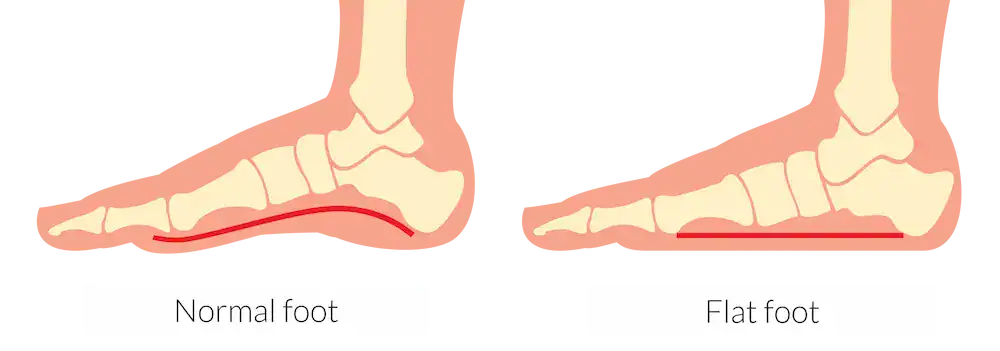
- Foot posture also plays a major role: heel spurs and flat feet , or feet that roll inward (pronated), are strongly correlated. As many as 81% of people with heel spur pain also have flat or inward-turned feet.
- Gender: There are different findings in the literature regarding gender as a risk factor for heel spurs. Studies looking at the elderly population do not usually find a significant difference in the incidence of heel spurs between men and women, whereas in the population under 49 heel spur is more common in women than in men. The authors attribute the difference to wearing high-heeled shoes.
- Arthritis: Heel spurs are more common in people with arthritis. Among those over 61 years old, 80% of people with osteoarthritis and at 72% of people with rheumatisms.
- Inflammation of the tendon of the arch of the foot: Heel spurs are present in 45–85% of people, who have plantar fasciitis, or inflammation of the tendon of the arch of the foot. The two conditions also share many other risk factors, such as being overweight and old age, and are therefore very likely to have a similar cause. Plantar tendonitis or plantar fasciitis is caused by mechanical overloading of the tendon, resulting in micro-damage. Repeated injuries and stresses to the heel make the regeneration process more difficult, resulting in chronic inflammation of the tendon. The tendon is therefore overworked and the fibrosis and calcification in the undergrowth tendon to the heel bone and the formation of a spike in the heel.
- Genetic factors: Individuals with a genetic predisposition to heel spur are more likely to develop a heel spur. They are linked to faster bone formation in response to mechanical stress. This explains the fact that some individuals develop heel spur but others do not, even when exposed to to the same or even greater burdens.
Heel pain that's not a heel spur
- Plantar fasciitis occurs when the thick band of connective tissue connecting the heel bone to the front of the foot becomes inflamed. It is the most common cause of heel pain and is frequently associated with a heel spur. Typical symptoms include pain or tenderness in the heel that worsens after rest, when standing on the toes, or when climbing stairs. Often, a small, well-defined area is particularly sensitive to pressure.
- Achilles tendonitis: It is the most common cause of pain in the back of the heel. The Achilles tendon attaches the trochlea muscle to the calcaneus. The cause of the inflammation is too large or repetitive strain on the tendon. Signs of inflammation include pain in the back of the heel, which is worse after rest or in the morning, swelling and stiffness of the calf muscle.
- Heel bone fracture: One or more small cracks in the heel bone can cause severe pain. Such stress fractures may occur after repetitive overloading of the heel — for example, from jumping, landing, or running barefoot on hard surfaces. Pain when pressing on the area and swelling are characteristic signs.
- Inflammation of the retrocalcaneal bursa is an inflammation of the mucous membrane between the heel bone and the Achilles tendon. It is caused by strain from tight muscles or a sudden increase in physical activity. It is characterised by pain in the back of the heel when walking, running or standing on the toes, tenderness to touch, swelling, redness and locally increased temperature.
- Sever's disease is the most common cause of heel pain in children, most often in boys. It is an inflammation of the apophysis of the heel bone due to overuse and resolves on its own with rest.
Frequently asked questions
What is the heel spur?
A heel spur is a spinous bone growth that occurs with ageing as a result of increased stress on the heel bone due to thinning of the fat pads, excessive weight, etc. The pain that is present is due to inflammation of the soft tissues around the heel bone. There is no single answer to the question of whether the heel spur is caused by inflammation of the soft tissues in the foot or whether the heel spur is caused by inflammation of the soft tissues in the foot.
What helps for a heel spur?
Heel pain is caused by inflammation. Whether a heel spur is the cause or the consequence is irrelevant (there is no scientific consensus on this). It is entirely possible that you have had a heel spur for decades and did not even know about it until now. We recommend applying Smrekovit 365 spruce cream to a Smrekovit compress and placing it on the heel with the coated side against the skin.
Why is there a heel spur?
Over the years, the fat pads that protect the heel bone wear away. The bone is more exposed to vertical load and defends itself by growing osteophyte in the direction of the load. Often the heel spur is also associated with inflammation of the tendon of the plantar arch, but here it is not quite clear what is the cause and what is the consequence. The pain associated with a heel spur is always due to inflammation of the soft tissues around the heel bone. A heel spur may have been present for many years, but the pain occurs when there is inflammation of the soft tissues.
How long does heel spur pain last?
When using Smrekovit 365 in combination with a Smrekovit wrap, heel spur pain is usually reduced by 60 to 80% within two weeks, then slowly improves day by day and eventually disappears.
How to remove a heel spur?
The pain that accompanies a heel spur is caused by inflammation of the surrounding soft tissues. When the inflammation is resolved, the pain stops and research shows that it rarely recurs later in life. The bony growth itself remains, but if it is not causing problems, there is no point in removing it. It is possible that you may have had a heel spur for decades without knowing, until the pain appeared. Shockwave therapy is the most commonly used treatment to remove a heel spur.
Why do you recommend the Smrekovit compress?
First of all, we do not recommend using the Smrekovit compress together with Smrekovit Extra products. However, we strongly recommend using it with Smrekovit 365 spruce cream and Smrekovit Klasik spruce ointment. The price of the compress is deliberately low, as it is intended only as a support for Smrekovit products. The compress significantly enhances their effect because it acts as a reservoir for the cream or ointment, allowing the active ingredients from the spruce resin to be absorbed continuously into the tissue as much as it can take in. On areas where the compress can be easily secured and stays in place, we recommend keeping it on at all times and reapplying once a day by spreading more cream on it. On more mobile joints, where the compress tends to crease and move, use it at least overnight and apply cream several times during the day.
Why do you advise against ice or other cooling methods?
First, let’s ask what effect ice has. By cooling, we slow down the physiological process caused by tissue injury or inflammation. At the site of inflammation or injury, the permeability of the vascular walls is increased in order to allow inflammatory cells to reach the site of inflammation (leukocytes and lymphocytes) and inflammatory proteins to the site of inflammation. The purpose of this process is to confront the defence mechanism with the inflammation so that the body can eliminate it itself. The visible consequence of this process is swelling, which is a perfectly normal phenomenon, because every cell and protein that passes to the site of inflammation is surrounded by a layer of water and, as the inflammatory proteins and cells pass to the site of inflammation, water passes with them.
Cooling causes the permeability of the vascular walls to decrease again, so the swelling is reduced, but the healing time is also significantly prolonged as a result.
Spruce resin does the opposite, stimulating the body's own defence mechanism and, as a result, significantly reducing the healing time. It is clear, therefore, that cooling and the use of resin products are contradictory.