
Swelling as a common reaction to injury
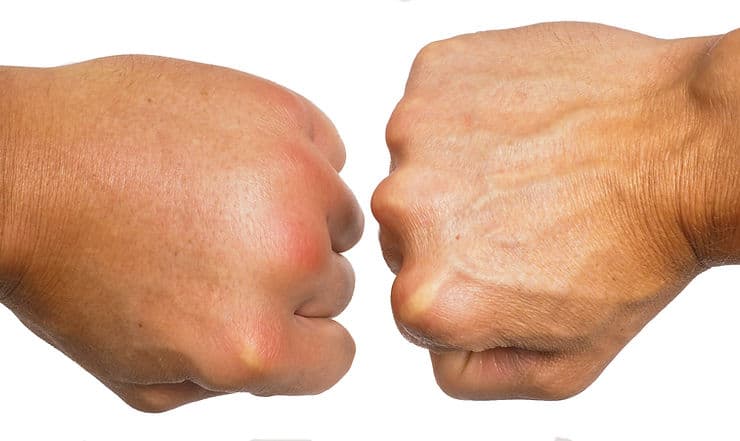
Swelling often accompanies injuries and can understandably cause concern. Many people contact us wanting to reduce or eliminate swelling, but it’s important to realize that swelling is just a symptom, not the cause of the problem. In most cases, it’s a normal physiological response of the body to injury. In this article, we’ll take a closer look at why swelling occurs, how it functions within the body, how to manage this natural reaction properly, and what role spruce resin plays in it.
- Swelling as a common reaction to injury
- What is swelling?
- The physiological process of swelling
- 1. Inflammatory response
- 2. Increased capillary permeability
- 3. Lymphatic system
- 4. Swelling as a protective mechanism
- 5. The role of protein
- 6. Phagocytosis
- 7. Resorption of fluid from the swelling
- Swelling and spruce resin
- When to be concerned about swelling
- How to manage swelling
- Conclusion
What is swelling?
Swelling occurs when there is an increased accumulation of fluid in the body’s tissues. This can result from various factors, but it is most commonly associated with inflammation or injury. The causes of swelling can include bruises, sprains, torn ligaments, and other types of injuries.
The physiological process of swelling
When an injury occurs, the body triggers a complex series of biological reactions. One of the main factors responsible for swelling is the inflammatory response. When tissues detect damage, they release inflammatory mediators such as histamine and prostaglandins. These mediators cause blood vessels to dilate and increase the permeability of capillaries, allowing fluid to pass from the bloodstream into the surrounding tissues.
This increase in fluid causes swelling, which is actually a protective mechanism of the body. Swelling helps to isolate the injured area, limits movement to prevent further damage, and allows the healing process to begin. This natural response therefore plays an important role in the restoration of damaged tissues.
Swelling is therefore a complex physiological response of the body to injury, involving precisely coordinated biological processes. When an injury occurs, a sophisticated system of signals and mediators is activated to restore balance, provide protection, and enable the healing process.
We can injure ourselves at any time, and when we do, our body reacts in ways we don’t always notice — yet they’re remarkably fascinating. Let’s say you bump your leg against a table. What exactly happens inside your body when you notice the swelling starting to appear?
1. Inflammatory response:
- When tissues detect an injury, an inflammatory response is triggered, which is a key part of the swelling process.
- Mediators of inflammation, such as histamine and prostaglandins, are released, causing blood vessels to dilate (vasodilate) and capillaries to become more permeable.
- In other words, the body sends out its little "rescuers" - as if they were firefighters. These rescuers, known as mediators of inflammation, cause the blood vessels to dilate and become more permeable.
- Spruce products play an important role in this work. Spruce resin stimulates the activity of neutrophil granulocytes and accelerates the secretion of inflammatory mediators, thus attracting even more immune response cells to the site of inflammation.
2. Increased Capillary Permeability:
- Blood vessels become more permeable, allowing fluid, proteins and other substances to pass from the bloodstream into the surrounding tissues.
- The increased permeability is responsible for the outflow of plasma and cells into the damaged area.
- In other words, they become "perforated", allowing fluid and other important substances to be transported from the bloodstream to the surrounding tissues. This is similar to what we want to achieve with drip irrigation in the garden.
3. The Lymphatic System:
- The lymphatic system, part of the immune system, is activated to drain excess fluid and waste from the tissues.
- The lymph vessels act as a drainage system, transporting lymph back into the bloodstream.
- In layman's terms, the lymphatic system is like the body's fluid purifier. When swelling occurs, it is activated to remove excess fluid and waste from the tissues. So, we can say that the lymphatic system plays the role of a "drain".
4. Swelling as a protective mechanism:
- The increase in fluid in the tissues forms swelling, which has a protective function.
- The swelling helps to restrict movement in the injured area, preventing further damage and allowing the healing process to start smoothly.
- The swelling is not only annoying, it is actually a protective mechanism. Like putting a fence around a construction site, the swelling helps to restrict movement in the injured area so that healing can begin and no further damage occurs.
5. The role of protein:
- The proteins present in the plasma draw water to themselves, increasing the swelling volume.
- This process plays an important role in providing the right environment for cell regeneration.
- Proteins are a bit like building materials. When an injury occurs, proteins in the plasma are incorporated to "seal the holes" and then, to provide a suitable environment for new cells to form, they draw water to themselves, causing swelling.
6. Phagocytosis:
- Phagocytes, special cells of the immune system, are activated to remove dead cells and waste from the damaged area.
- This process is crucial for cleaning the tissue and preparing it for regeneration.
- Phagocytes are like the body's cleaners. When they see dirt (dead cells and waste), they remove it. It's a bit like cleaning up a broken bottle. Remember the game pacman?
- Here too, spruce resin plays an important role. Indeed, the neutrophil granulocytes whose activity is influenced by pine resin also have the capacity to phagocytose. Spruce resin enhances this phagocytosis activity.
7. Resorption of fluid from the swelling:
- Once the healing process begins, the lymphatic system eventually resorbs the excess fluid.
- Swelling is followed by a gradual reduction as the tissues regenerate.
- Once the healing process starts, the lymphatic system makes sure that the excess water is sucked back into the bloodstream. This is similar to sucking up excess water after cleaning the bathroom.
- When the cause of the inflammation is eliminated, the swelling also disappears
Understanding these complex physiological processes helps us accept swelling as a natural response of the body to injury. Although swelling is usually temporary and part of a healthy healing process, it’s always advisable to watch for possible complications and seek professional medical help if needed.
Swelling and spruce resin
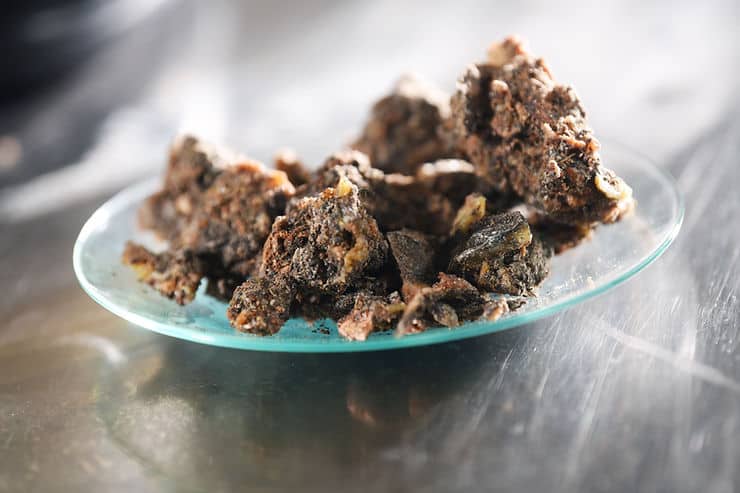
Conifer resin stimulates the migration of inflammatory cells to the site of inflammation, significantly accelerating the healing process and shortening recovery time. Researchers have particularly observed an increased migration of neutrophils to the site of injury.(3)
The exact mechanism by which the resin attracts inflammatory cells is not yet known, but it is most likely the result of a synergistic effect of several compounds among the roughly 80 organic substances that make up conifer resin.
When to be concerned about swelling
Although swelling is usually part of the body’s natural healing process, there are situations where medical attention is necessary. If the swelling does not subside or even worsens, if it is accompanied by severe pain, fever, or circulatory problems, it’s important to consult a doctor. Such symptoms may indicate a more serious condition, such as an infection or a significant injury.
How to manage swelling
- Rest and elevation: Relieve pressure on the injured body part and elevate it above heart level to reduce swelling. In many injuries, swelling and pain tell us what we can and cannot do. We never recommend complete rest. Act according to what your body is telling you. Don’t overdo movement, but don’t stop it completely either. Listen to the pain.
- Cooling the swelling slows down physiological processes and delays healing: Cooling with ice has the exact opposite effect of spruce resin: cooling slows down the physiological process, while Smrekovit products accelerate it. The two therefore cancel each other out, which means that any form of cooling is strongly discouraged. We have already written more about this in this article.
- Smrekovit: Apply a Smrekovit compress to the injured area, coated with Smrekovit 365 or Smrekovit Klasik. If the injury is not limited to soft tissue but involves a fracture or dislocation, I recommend asking the medical staff for a removable splint instead of a cast, so you can continue to apply the compress in this way. The sooner the resin begins to work, the sooner the physiological processes will accelerate.
-
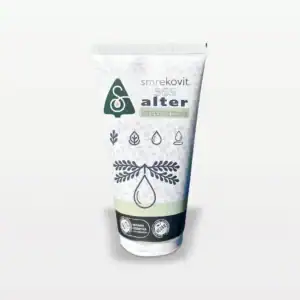
Smrekovit 365 Alter - cream with boswellia resin
Price range: 9,00 € through 14,00 € -

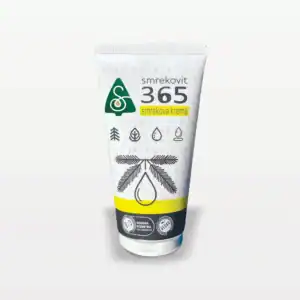
Smrekovit 365 spruce resin cream
14,00 € -
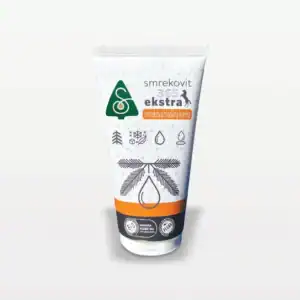
Smrekovit 365 Ekstra – spruce cream with a cooling effect
14,00 € -
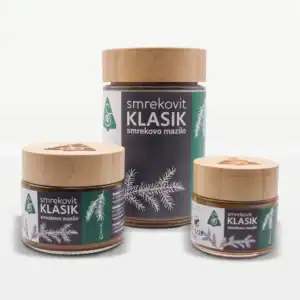
Smrekovit Klasik spruce resin ointment
Price range: 6,00 € through 35,00 €
Conclusion
Swelling is therefore often a normal and protective response of the body to injury. Understanding the physiological processes involved in swelling can help reduce anxiety and guide you to respond appropriately when an injury occurs. Nevertheless, it’s always advisable to seek medical help if the swelling persists or if additional concerning symptoms appear. With proper care, you can speed up the healing process and return to an active lifestyle more quickly.
Swelling isn’t just an annoyance — it’s part of the amazing process through which our body repairs itself after an injury. While it may seem bothersome at first, it’s actually the superhero ????♂️ within us!
6 comments
Nataša
Ali Smrekovit deluje na zmanjsamje otekline tudi po 3h mesecih? Na ličnici imam od udarca ze 3 mesece oteklino ki je malo manjša kot ob poškodbi, a ne izgine. Hvaležna bom za odgovor.
Nataša
Smrekovit
Pozdravljeni, ga. Nataša. Hvala za vprašanje. Po udarcu se oteklina lahko vleče dlje časa, ker se tkivo obnavlja in se lahko počasneje razgrajuje tudi globlja podplutba. Smrekovit lahko pomaga predvsem takrat, ko je oteklina še posledica aktivnih procesov v mehkih tkivih (draženje, občutljivost po poškodbi). Če pa je po treh mesecih oteklina bolj trda, jasno omejena ali kot “bunkica” na kosti (npr. organiziran hematom, brazgotinjenje ali kostna zadebelitev), v takih primerih ni pričakovati spremembe.
France Korošec
God Himself sent You!
I have been suffering from animal pains for a week.I have been receiving injections for relief. For treatment, I have
fasting and eating certain things, not to mention, for immunity, kidney function and anti-inflammatory stuff-and even 1 capsule of pine resin I'm taking, progressing slowly, still painful????! Now that I know more, I'll add the resin to the swelling, and , to see if I can go to Midnight or not, ok!!!? THANK YOU !
Matic Konc
Thank you for your comment, Mr France. I hope you managed to go to the midnight vigil. ????
Romana Trpin
nasla sem vaso spletno stran in ze 2 meseca mazem mozu odprto rano na gleznju, pa se ne celi kot kazejo vase slike. Je sladkorni bolnik in ima nogo plegicno po kapi pred 6.imi leti. Noga ga vedno bolj boli, ceprav mazem okolico tudi s Smrekovitom 365. Kaj svetujete. Star je 72 let.
Smrekovit
Spoštovana ga. Romana, hvala za komentar. Pri naši metodi je pri takih ranah pomembno, da se izdelek nanaša na sterilno gazo in se z namazano stranjo položi na rano ter menja vsaj enkrat dnevno; pogosto je pri takih ranah primernejši Smrekovit Klasik kot 365. Podrobnosti vam odgovorimo po e-pošti.