
Spruce resin
What makes spruce resin so exceptional
7000
80
40
million
Spruce resin – its secrets, composition and harvesting
Resources and literature used can be found at this page →
Spruce resin in medical writings through the centuries

Ibn Sina

Hippocrates
Folk medicine (Slovenia)

Pater Ašič and modern usage
Spruce resin in medical records throughout history
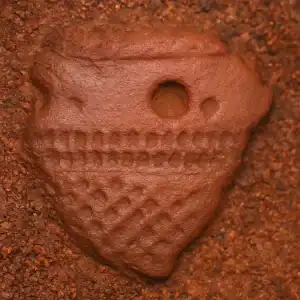 As early as around 5000 BC, people living in the area of present-day Finland chewed spruce resin. In 2007, Finnish archaeologists discovered traces of chewing, showing that the resin had been used as a natural chewing gum and as a remedy for oral and digestive issues.
Between 460 and 370 BC, Hippocrates – the father of Western medicine – described methods of using spruce resin that physicians continued to apply successfully well into the Middle Ages. The Roman writer and orator Pliny the Younger (61–113 AD) reported that rural women in ancient Rome wore amber necklaces not only as adornment, but also as a remedy for swollen lymph nodes and sore throats – and amber is, in fact, fossilised resin.
The Persian physician Ibn Sina (Avicenna), one of the most influential thinkers of the Islamic Golden Age, attributed healing properties to resin in the early 1st millennium in his writings, especially in the Kanon of Medicine. In the 16th century, we also find interesting examples: the Prussian duke Albert of Brandenburg sent Martin Luther a remedy made from solidified spruce resin for the treatment of kidney stones.
In the 19th century, the American chemist Henry R. Gray developed “Gray’s Syrup” from red spruce resin, a popular remedy for coughs, colds, sore throats and bronchitis. Around the same time (in 1848), John B. Curtis, inspired by the use of resin among Native Americans, created the first commercial chewing gum made from spruce resin.
You can find the sources and references on this page →
Spruce resin in folk and cultural use
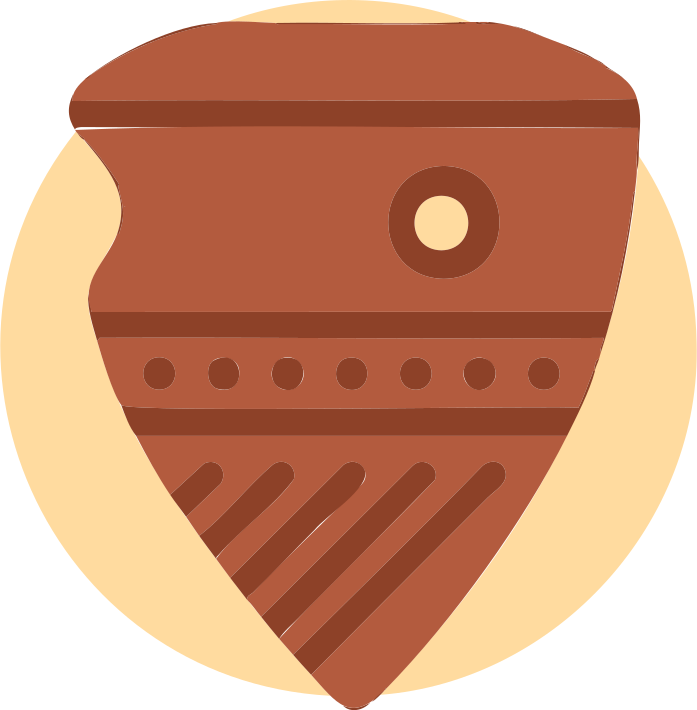
Find with tooth marks

Native Americans and spruce resin

The first commercial chewing gum
Spruce resin in livestock care
Spruce resin in traditional folk use
Throughout the centuries, spruce resin has played an important role in folk medicine. In Finland, it was mixed with butter to make a traditional ointment for treating wounds. Native Americans used the resin for wound healing, mastitis in livestock, and various throat and digestive problems. It was their knowledge that inspired the American inventor Curtis when he created the first chewing gum.
In Slovenia, farmers used spruce resin to prepare various balms and salves. Its use was widespread, especially for treating mastitis in cows, wounds, and other inflammations in both people and animals. In the Gorenjska region, the ointment was called smrdljivc because of its characteristic smell. Until 1971, it was produced by the Sodja family from Nemški Rovt in Bohinj. Their children sold the ointment in the surrounding villages and used the earnings to buy shoes.
In some regions, pure conifer resin — especially from spruce, larch and fir — was called pilpuh. People collected fresh drops of resin and used them to treat boils, arthritis, wounds and various pains. Also well known was the herbalist Prežla from Lesce in the Gorenjska region, who applied dark spruce resin to different parts of the body to ease back pain and other ailments.
The Slovenian herbalist Father Simon Ašič described spruce resin as a natural aid for skin conditions, rashes, wounds, muscle problems and for strengthening the body’s resistance.
Its use has also been preserved in modern folk medicine. Spruce resin has been used to treat abrasions, burns, boils, rheumatism, arthritis, tuberculosis, colds, coughs, throat infections, digestive problems, headaches, tumours and wounds.
You can find the sources and literature used on this page →
Science confirms the effectiveness of spruce resin

Bacteria
2007
Scientists have found that spruce salve made with spruce resin according to the traditional Finnish recipe inhibits the growth of all tested Gram-positive bacteria.
- It was also effective against Proteus vulgaris (a Gram-negative bacterium).
- Important: It was also effective against highly resistant strains such as MRSA and VRE.

Fungi
2011
Finnish researchers also examined the antifungal activity of the traditional spruce salve made with spruce resin.
- The resin strongly inhibited the growth of dermatophytes, the fungi responsible for most fungal skin infections in humans.
- The findings confirm the centuries-old folk use of spruce resin against fungal infections.

Wounds
92
%
Such a high percentage of patients experienced healed pressure ulcers when using spruce ointment in a study conducted across 11 institutions.
- In the hydrogel group, however, the success rate was only 44%.
- Spruce resin has proven to be a natural and effective alternative for treating stubborn wounds.
Spruce resin – where ancient wisdom meets modern science
Spruce resin is one of those rare natural substances that has endured through the centuries — not only in folk medicine, but also in the scientific laboratories of the modern era. What our ancestors once knew through experience is today confirmed by studies and research from around the world.
In Finland, spruce ointment is still prepared according to the traditional recipe of resin and butter, used for wound healing and relieving skin problems. Its healing effects encouraged scientists to begin studying this ancient ointment. The results are remarkable – in clinical studies, the ointment proved effective against pressure ulcers, bacteria and fungal infections.
Scientists have proven that spruce ointment has a bacteriostatic effect against Gram-positive bacteria such as Staphylococcus aureus, and even against highly resistant strains like MRSA and VRE. In addition, studies have shown a strong antifungal activity of spruce resin against dermatophytes – the fungi responsible for the most common skin infections in humans.
The healing power of spruce resin is not limited to modern research. In folk medicine, it has long been used to ease a wide range of problems – from abrasions and burns to arthritis, colds, digestive issues, infections, and even wounds and tumours. This tradition lives on, forming a bridge between nature, experience and scientifically confirmed effects.
The healing power of spruce resin is not limited to modern research. In folk medicine, resin has long been used to alleviate a wide range of problems - from bruises and burns to arthritis, colds, digestive problems, inflammation and even wounds and tumours. This tradition lives on, becoming a bridge between nature, experience and scientifically proven effect.
You can find the sources and literature used on this page →
Frequently asked questions
How does spruce resin work against bacteria?
Spruce resin contains natural compounds that inhibit bacterial growth. Research has shown a bacteriostatic effect against numerous bacteria, including highly resistant strains such as MRSA and VRE.
Does spruce resin really help with fungal skin infections?
Yes. Finnish studies have shown that spruce resin strongly inhibits the growth of dermatophytes – the fungi responsible for most fungal skin infections in humans.
Is spruce resin suitable for treating wounds and pressure ulcers?
Yes. In a clinical study comparing traditional spruce ointment with a medical hydrogel, wounds healed successfully in 92% of those using the spruce ointment — significantly more than with the hydrogel.
Is traditional resin ointment as effective as modern preparations?
Scientific research has confirmed that it is the traditionally prepared ointment — without additives — that has the strongest effect. The key lies in its natural composition and the method of preparation, which preserves the active compounds in the resin.
Is the use of spruce resin safe?
For healthy adults and children, spruce resin is safe as long as there is no allergic reaction. However, it is always advisable to test the product on a small area of skin first.
Does spruce resin have a long history of use?
Yes — extensively! It was used more than 7,000 years ago, and it was employed by Hippocrates, Ibn Sina, Native Americans, and traditional healers in Slovenia. Today, scientific research often merely confirms what our ancestors already knew.
Where can I find the scientific sources you mention?
You can find the sources and literature used on this page →