
An open wound on the leg can occur for a variety of reasons, but it often becomes a chronic problem if the blood circulation to the leg is impaired. This can be due to heart failure, varicose veins, atherosclerosis or diabetic angiopathy (diabetic foot). Healing can also be impaired due to impaired liver or thyroid function and other factors. Natural spruce resin preparations, such as Smrekovit products, are extremely effective in treating such wounds. This is also confirmed by clinical studies conducted by Finnish researchers who investigated traditional spruce resin preparations used by Nordic peoples.
Using Smrekovit Klasik ointment and Smrekovit 365 cream, we have documented many successful cases of healing over the last 35 years, as every open wound on the leg, including diabetic foot, has healed with the correct use of these products, provided gangrene was not present. The only contraindication is an allergy to spruce resin. Below we present documented examples showing how open wounds on the leg heal with Smrekovit products.
- Open wound on the leg - Cause 1: Circulatory problems due to heart and venous insufficiency
- Case 1: Venous ulcer due to heart failure
- Case 2: Chronic open leg wound due to a combination of diseases
- Open wound on the leg - Cause 2: Diabetic foot and diabetes
- Case 3: Diabetic foot and open wound on the leg
- Open wound on the leg - Cause 3: Hormonal imbalances and thyroid dysfunction
- Case 4: Chronic open leg wound due to thyroid dysfunction
- Open wound on the leg - Cause 4: Kidney dysfunction
- Case 5: Open leg wound in a dialysis patient
- Do you have a similar wound?
Open wound on the leg - Cause 1: Circulatory problems due to heart and venous insufficiency
Circulatory disturbances resulting from heart or venous insufficiency are key factors in the development of chronic leg wounds. In heart failure, the heart does not pump enough blood to meet the needs of the tissues, resulting in a reduced supply of oxygen and nutrients to the cells. In venous insufficiency, the weakened valve system in the veins causes blood to stagnate in the lower limbs, which increases the pressure in the veins and leads to inflammation.
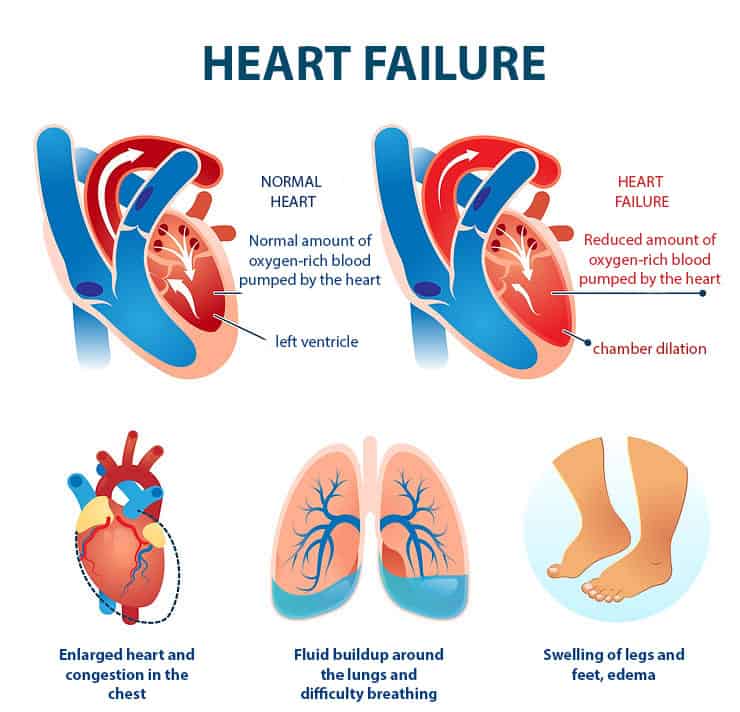
Why does a wound occur?
- Reduced tissue supply: Lack of oxygen and nutrients weakens the skin and makes it more vulnerable.
- Increased pressure in the veins: Increased hydrostatic pressure in the veins causes fluid to leak out of the veins into the surrounding tissue, leading to swelling (oedema) and damage to the skin tissue.
- Reduced healing capacity: Chronic inflammation and impaired blood circulation hinder tissue regeneration.
Signs and symptoms:
- Moderate to severe pain, which decreases when the limb is raised.
- Presence of swelling and oozing from the wound.
- Skin changes such as loss of pigmentation, redness and the appearance of scales.
Leg swelling (oedema) and seepage of blood plasma from the wound and surrounding area as a complicating factor in treatment
In people with venous ulcers, the underlying problem, which is either heart failure, varicose veins or both, often results in water retention in the leg, which appears as swelling when the skin is intact. However, when there is an open wound on the leg, the newly formed skin, which develops when the wound is treated with Smrekovit products, remains very weak and porous, and plasma constantly seeps through it due to increased hydrostatic pressure in the blood vessels. This causes the dressings and gauzes on the wound to become waterlogged and, due to the wetness, the healing of such a wound is extremely slowed down. Once the problem of water retention has been eliminated, the healing of the leg wound is very quickly completed and the already formed skin is strengthened within a few days. This problem is particularly pronounced and much more frequent in summer, when the weather is warmer and the capillaries are dilated.
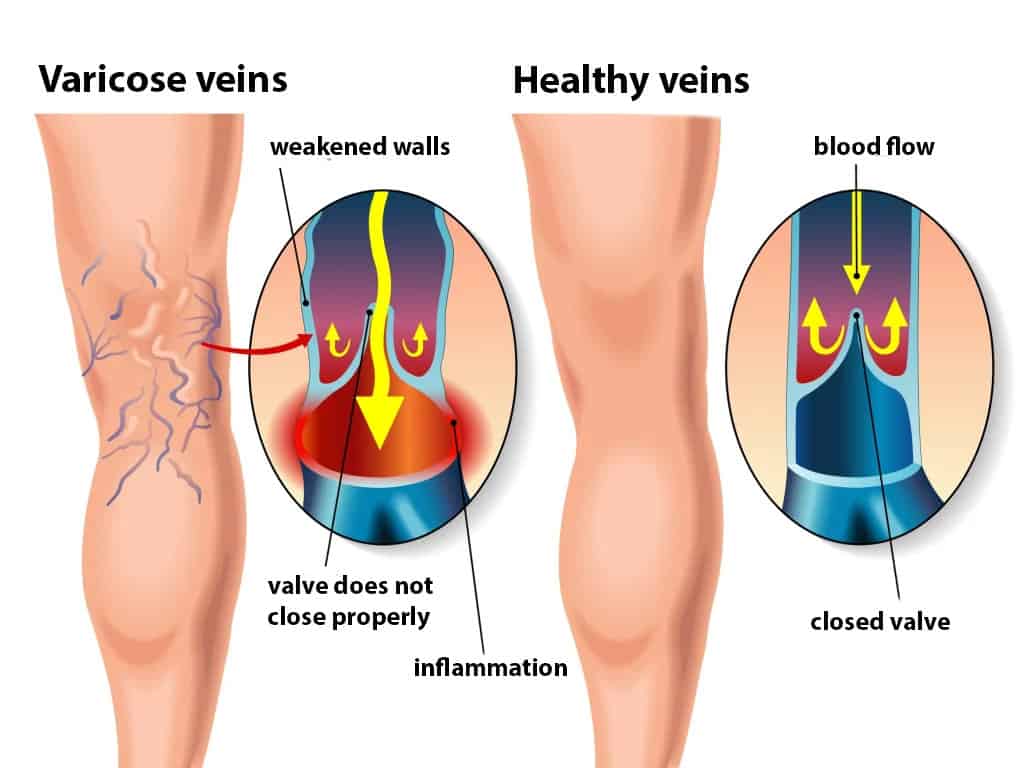
How to help yourself with leg swelling (oedema) and plasma seepage through the skin?
- A low-salt diet with sufficient, but not excessive, water intake: The first and most important measure is to reduce both salt and fluid intake. Salt intake should be limited to less than 5 g per day (one teaspoon captures more than 17 g of salt), and care should be taken to avoid hidden sources of salt, such as ice cream, commercial juices, canned vegetables... The recommended fluid intake for people with oedema is between 1.5 and 2 L per day to maintain good renal function. As water is also present in other foods, we can roughly say that a person should consume at least 1 litre of water a day, but not all at once. (4)
- Compression bandaging: in such cases, where the open leg wound does not heal as effectively as it would without this complicating factor, due to plasma seepage through the skin, we recommend the use of an elastic compression bandage to wrap the leg. Wrap the bandage over the wound, first covering it with sterile gauze to which Smrekovit Klasik ointment has been applied. Also cover the parts where the skin is red. Bandage the legs in the morning before you get up. You will need 1–2 bandages to wrap from the foot to the knee and 3–4 bandages to wrap up to the groin.
- start the winding behind the fingers and wind from the bottom up
- Each subsequent turn should overlap the previous one by 2–2.5 cm.
- roll over the heel at least three times
- apply the bandage with even, moderate tension, laying it flat on the skin in a figure-of-eight pattern
- The spacing should be uniform and the pressure even across the lower leg. (5)
- the compression bandage must be removed while the patient is resting (lying down) for more than half an hour
- as little standing and sitting as possible, and as much walking as possible: to improve blood circulation in the leg, we recommend walking as much as possible and avoiding standing and sitting
- lifting the leg: when resting (lying down), raise your leg above the level of your heart for a few minutes several times a day. If possible, keep your leg at least slightly elevated even when sleeping at night.
- diuretics: If the above measures do not help, and if you have a good blood count in terms of electrolytes, especially in the summer months, you should also consider consulting your doctor about the use of diuretics.
Our experience shows that once water retention and plasma seepage from the leg wound and the surrounding area are successfully dealt with, wound healing can be completed very quickly, so we really strongly recommend that you approach this problem seriously in such cases.
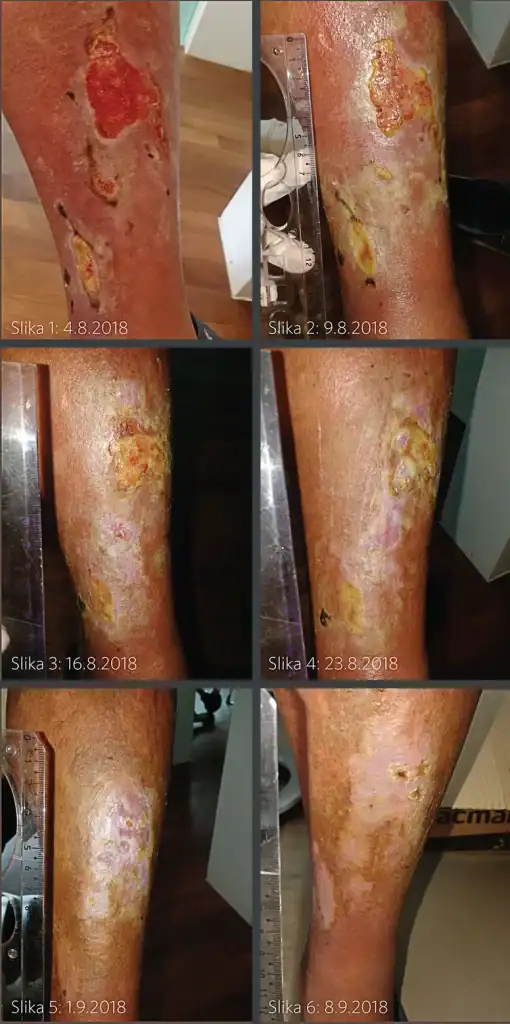
Case 1: Venous ulcer due to heart failure
A 77-year-old man suffered a blow to the starter motor of his motorbike, resulting in an injury to his leg. Medical treatment enlarged the wound by as much as 600 % over two weeks. He then turned to us and, using Smrekovit Klasik ointment and Smrekovit 365 cream, the open wound on his leg healed by 99 % over the next two weeks.
Case details:
- The wound healed poorly due to increased blood flow in the veins.
- There was oozing, local inflammation and loss of pigment around the wound.
Treatment course:
- The wound was treated with Smrekovit Klasik ointment, which was applied to sterile gauze and placed on the wound.
- The care was provided daily by the subject on a self-supporting basis, according to our instructions.
- After one month, the wound was completely healed, with no scarring.
-

Smrekovit Klasik spruce resin ointment
Price range: 6,00 € through 35,00 €

Case 2: Chronic open leg wound due to a combination of diseases
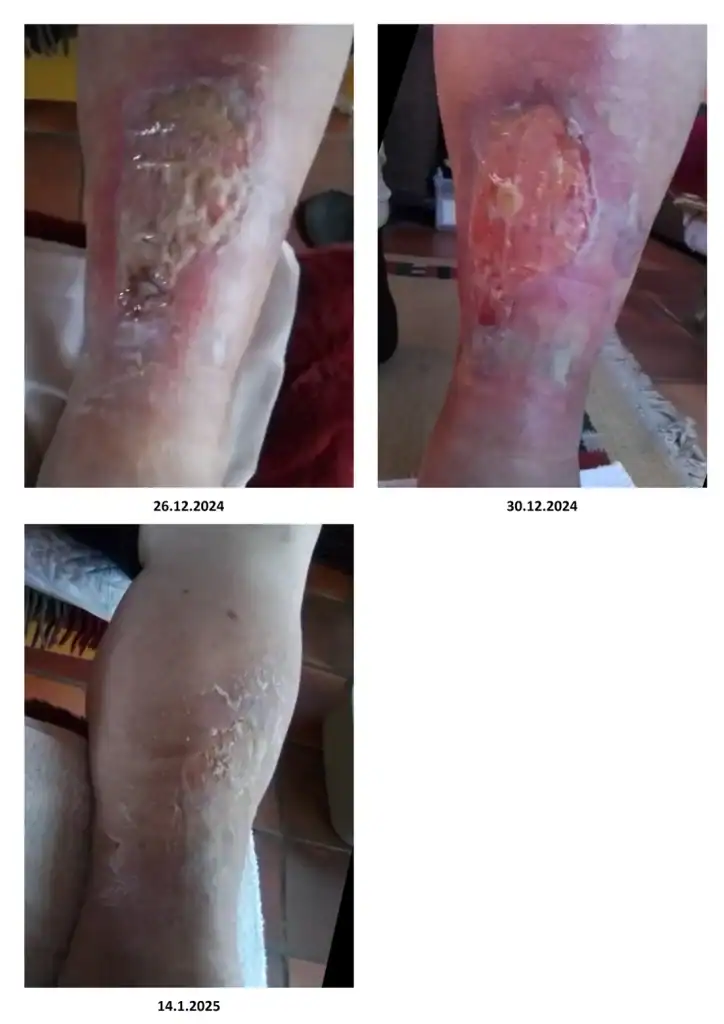
A 73-year-old man with heart failure and type 2 diabetes had a chronic leg wound that developed due to oedema and blistering. The blisters burst due to increased hydrostatic pressure and the resulting open leg wound did not heal despite medical treatment. The subject's daughter contacted us at the end of December 2024.
Case details:
- The wound was present for more than a month without progress.
- There were necrotic tissue fragments, inflammation and heavy oozing of fluid.
Treatment course:
- Each day, the subject applied Smrekovit Klasik ointment to the wound in a 1-2 mm layer on sterile gauze, which was secured with a bandage.
- After five days, the wound was cleared of necrotic tissue and granulation tissue began to form.
- After 19 days, the wound was almost completely healed, with epithelialised tissue visible and no signs of inflammation.
Open wound on the leg - Cause 2: Diabetic foot and diabetes
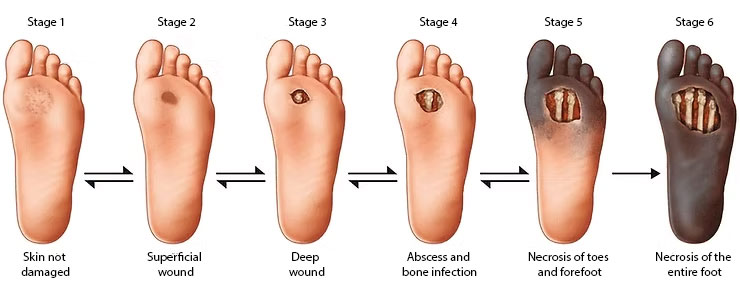
Diabetic foot is a serious complication of diabetes caused by a combination of two main factors: peripheral arterial disease and diabetic sensory neuropathies. These conditions have a major impact on the ability of wounds to heal, which can lead to even a minor foot injury progressing to a chronic wound, infection or even tissue necrosis.
Causes of open wounds on the leg in diabetic patients:
- Poor blood circulation (peripheral arterial disease):
- Elevated blood glucose levels damage blood vessels, leading to microangiopathy (damage to small blood vessels) and macroangiopathy (damage to larger arteries).
- Blood supply to the tissues is restricted, reducing the delivery of oxygen and nutrients needed for tissue regeneration.
- Nerve damage (diabetic neuropathy):
- Prolonged elevated blood sugar levels cause nerve damage, which reduces the perception of pain, warmth and pressure in the feet.
- Patients often fail to notice injuries such as cuts, bruises or blisters, allowing these minor injuries to progress to more serious wounds.
- Infections and slowed healing:
- Diabetics have a weakened immune response, which increases the risk of infections and reduces the effectiveness of treatment.
- Elevated blood glucose levels stimulate bacterial growth and inhibit the healing process.
- Structural changes in the foot:
- Long-term diabetes can cause deformities of the foot (e.g. Charcot foot) that increase the risk of injury and ulceration due to uneven pressure distribution.
How to recognise diabetic foot?
- Presence of foot ulcers that do not heal or even worsen.
- Pale, cold skin due to poor circulation.
- Loss of sensation of pain, pressure or temperature.
- Foot deformities and gait changes.
- Signs of infection such as redness, swelling and pus secretion.
Preventing open wounds on the leg in diabetic foot:
- Regular foot examinations: Check daily for signs of damage, splinters or infections.
- Proper hygiene: Washing feet with mild detergents and drying thoroughly, especially between toes.
- Comfortable footwear: Wearing footwear that reduces pressure on the feet and prevents injuries.
- Blood glucose control: Keeping blood sugar levels stable reduces the risk of neuropathy and vascular damage.
- Regular moisturising of the feet with Smrekovit 365
Case 3: Diabetic foot and open wound on the leg
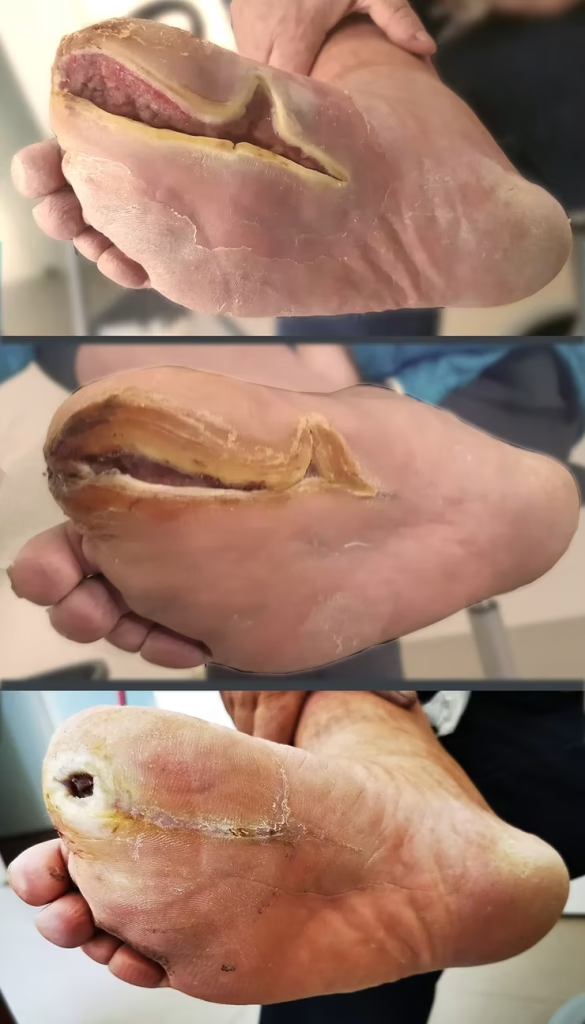
A 56-year-old man with diabetes had a diabetic foot and had already had his toe amputated due to necrosis. The wound on his leg was left open after the surgical removal of dead tissue and did not heal. Treatment with Smrekovit Klasik ointment resulted in a 50 % improvement within one month and after five months the wound was almost completely healed.
Why does diabetic foot occur?
- The person often fails to detect the injury due to poor blood circulation and sensory neuropathy.
- Elevated glucose levels affect blood vessel and nerve function, inhibiting healing.
Treatment course:
- The wound was treated daily with Smrekovit Klasik ointment applied to sterile gauze.
- After the wound was completely closed, the skin was treated with Smrekovit 365 cream for additional regeneration.
-
Smrekovit Klasik spruce resin ointment
Price range: 6,00 € through 35,00 €
Open wound on the leg - Cause 3: Hormonal imbalances and thyroid dysfunction
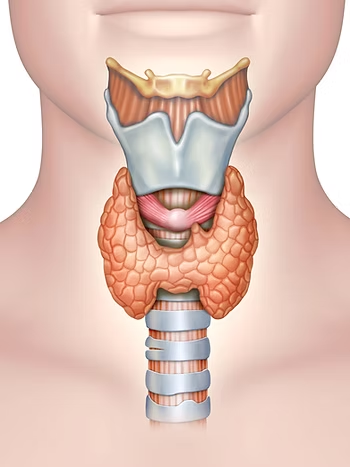
Hormonal imbalances, especially thyroid dysfunction, have a significant impact on the wound healing process. Thyroid hormones regulate a number of key processes such as metabolism, collagen formation and tissue blood circulation. When these hormones are out of balance, the regeneration process can be seriously slowed down.
How do hormonal imbalances affect wounds?
- Reduced tissue regeneration:
- Hypothyroidism reduces the rate of cell renewal and collagen synthesis, which prolongs wound healing time.
- Impaired blood circulation:
- Wound supply of essential nutrients and oxygen is limited due to reduced cardiac output and poorer microcirculation.
- Altered immune response:
- Hormonal imbalances can weaken the immune system, increasing the risk of infections and slowing down inflammatory processes crucial for the initial stages of healing.
Case 4: Chronic open leg wound due to thyroid dysfunction
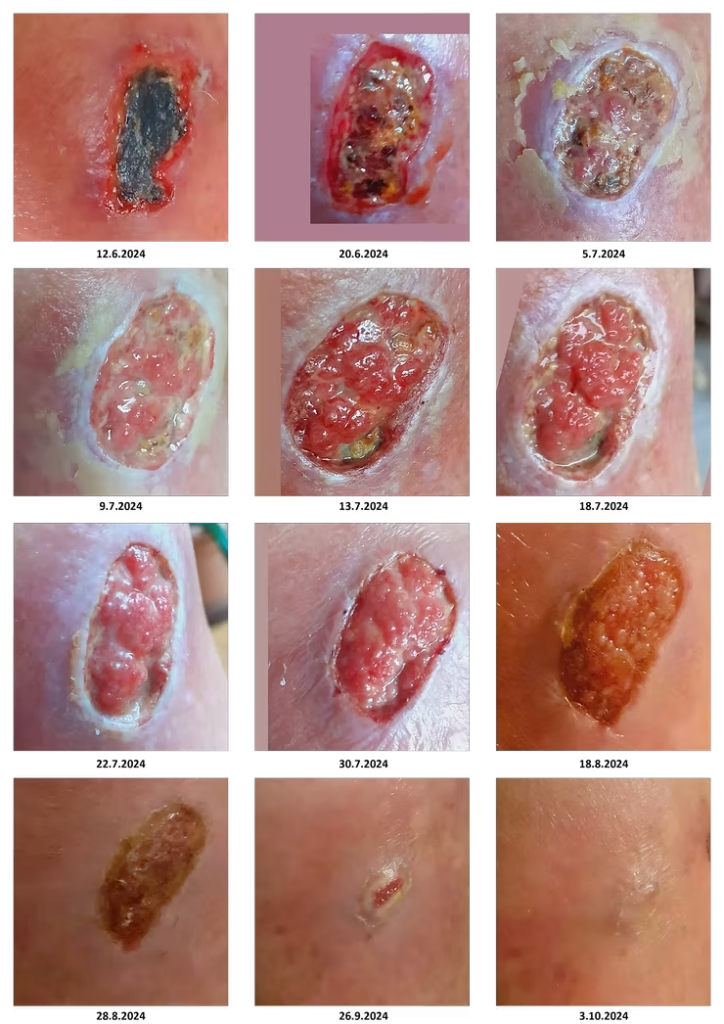
A 78-year-old lady with hypothyroidism had a long-standing leg wound that developed after a fall on a bicycle. Despite treatment with various ointments, the open wound on her leg did not heal. After switching to treatment with Smrekovit Klasik ointment, the wound gradually started to close.
How does the thyroid gland affect wound healing?
- Hypothyroidism slows down tissue regeneration due to reduced metabolism and poor blood circulation.
- Thyroid hormones play a key role in collagen formation and repair of damaged tissue.
Treatment course:
- The wound, which initially measured 2 x 3 cm, was treated daily by applying Smrekovit Klasik ointment on sterile gauze.
- After two weeks, new epithelial tissue had formed and the inflammation had completely subsided.
- After one month, the wound was almost completely healed, with no signs of infection or inflammation.
Open wound on the leg - Cause 4: Kidney dysfunction
Slow wound healing can also be caused by kidney problems, especially if these problems are accompanied by co-morbidities such as anaemia or heart failure. In this chapter, we will present the case of a 60-year-old dialysis patient whose very large wound healed in 22 days with the use of Smrekovit Klasik. The subject's renal impairment was accompanied by anaemia and heart failure.
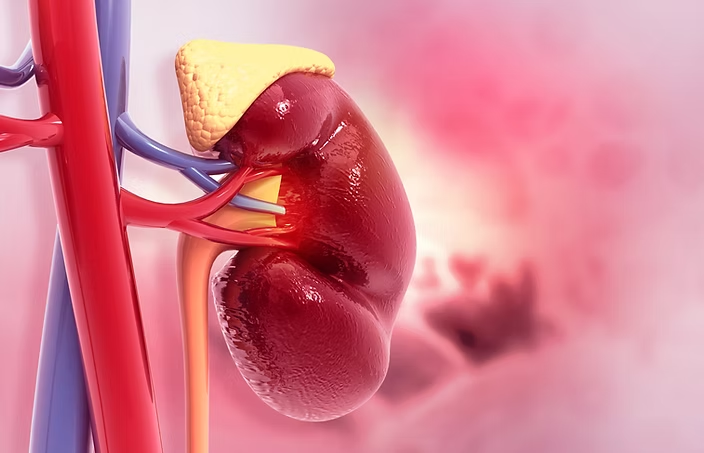
Slow healing in this case occurs for reasons other than those listed in Case 1 (heart failure) for the following reasons:
- Uremic toxins: The build-up of uremic toxins interferes with the function of cells, including fibroblasts and keratinocytes, which are key to skin regeneration.
- Altered protein metabolism: Dialysis can cause protein loss, which hinders the synthesis of collagen and other key components for healing.
- Electrolyte disturbances: Electrolyte imbalances (e.g. potassium, calcium, phosphate) affect normal cell functions.
- Poorer immune function: Chronic kidney disease causes a weakened immune response, leading to a greater susceptibility to infection and less efficient removal of dead tissue.
- Inflammatory response: Dialysis patients often have a chronic subclinical inflammatory process that interferes with the normal inflammatory phase of wound healing.
- Nutrient deficiencies: Dialysis and the underlying disease often lead to hypoproteinaemia and deficiencies of key nutrients (e.g. zinc, iron, vitamin C, vitamin D) that are essential for tissue regeneration.
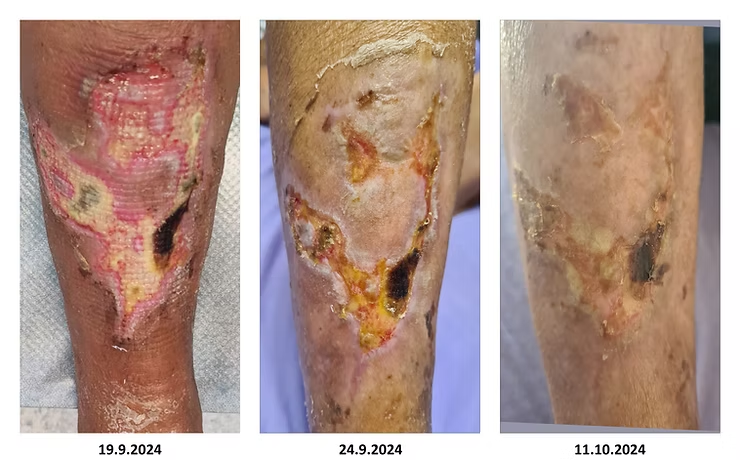
Case 5: Open leg wound in a dialysis patient
A 60-year-old gentleman, a dialysis patient with associated conditions such as anaemia and heart failure, had a leg wound that had not healed for years. The open wound on his leg, 16 x 8 cm, healed almost completely in 22 days of treatment with Smrekovit Klasik ointment.
Treatment challenges in dialysis patients:
- Chronic inflammation and electrolyte imbalances.
- Lack of protein needed for tissue regeneration.
Treatment course:
- The wound was regularly treated with Smrekovit Klasik ointment, applied twice daily.
- After 22 days, the wound was almost completely healed and the pain was gone after the first few applications.
-
Smrekovit Klasik spruce resin ointment
Price range: 6,00 € through 35,00 €
Do you have a similar wound?
We would be delighted if you could document your treatment and share your experience with us. We will be happy to reward you for your participation with a free product! ????
☎️ Call us: 040 745 453
???? Contact us: info@smrekovit.si
???? Possibility of personal consultations or
???? remote advice - send photos via MMS, email, WhatsApp or Viber.
Thank you for helping others with your experience!